


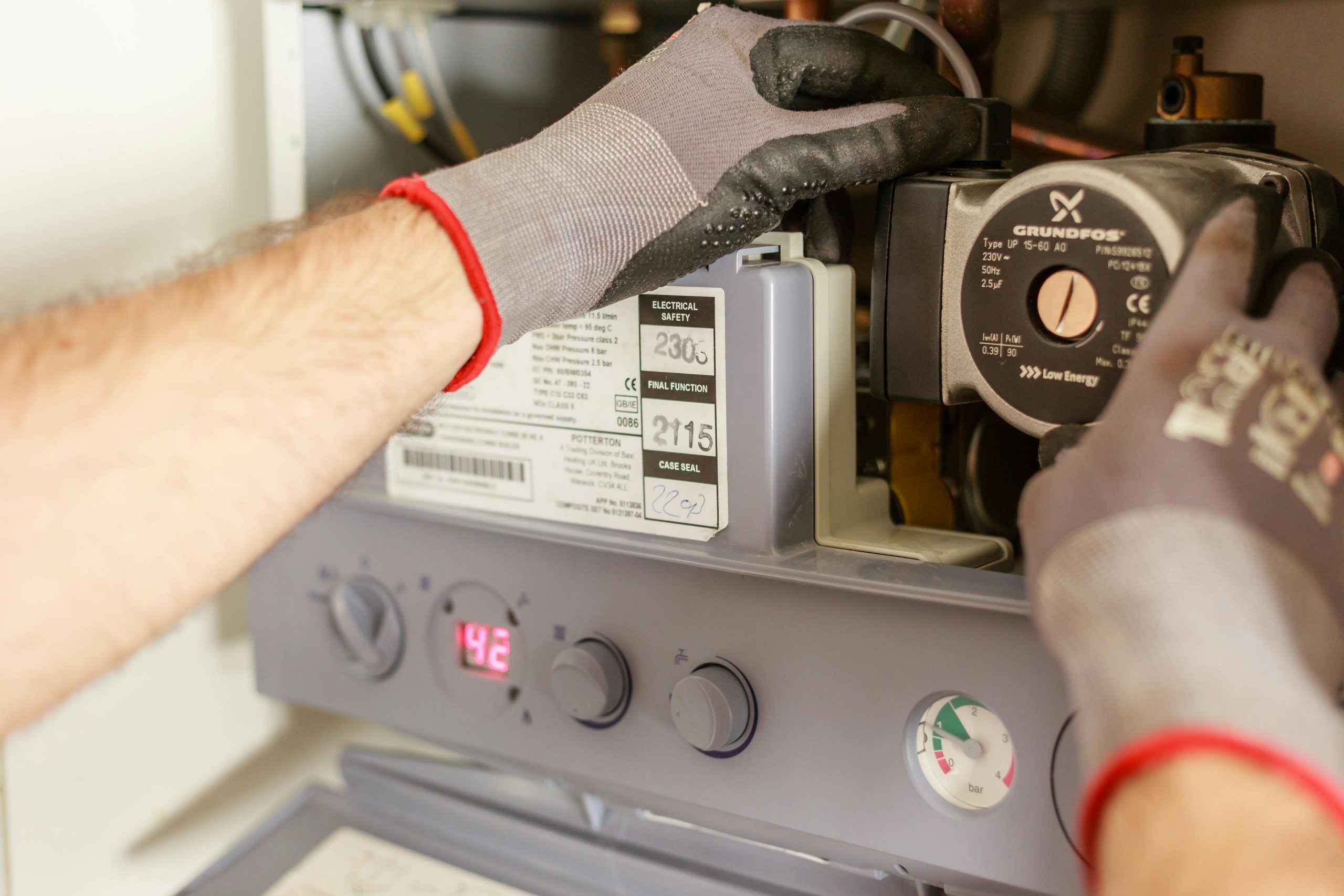
Maintaining energy efficiency is more crucial than ever, both for environmental sustainability and to keep utility bills in check. One of the most effective ways to ensure your home remains energy-efficient year-round is through the proper installation of a heating system.
This blog will explore why proper heating system installation matters, how it impacts energy efficiency, and key considerations to keep in mind when installing a heating system.
Why Heating System Installation Matters
The effectiveness of a heating system is determined not only by the type of system chosen but also by how it is installed. A poorly installed heating system may struggle to function efficiently, resulting in inconsistent temperatures, higher energy consumption, and frequent system breakdowns.
Proper heating installation ensures your system operates at peak performance, maximizes energy efficiency, and delivers consistent comfort throughout your home. Whether you’re installing a new system or replacing an outdated one, the installation process lays the foundation for reliable performance over the long term.
The Connection Between Heating Installation and Energy Efficiency
Optimal System Performance
When heating systems are installed correctly, they operate as the manufacturers intended. Proper installation includes precise calibration and configuration of the system to match the specific needs of your living space. This optimization reduces energy waste and helps achieve the desired indoor climate without overworking the system.
Improved Energy Consumption
An improperly installed system often forces the heating unit to work harder than necessary to maintain consistent temperatures. This leads to increased energy consumption, higher utility bills, and unnecessary wear and tear on the system. On the other hand, professional installation eliminates inefficiencies, allowing your heating system to operate using the least amount of energy possible.
Long-Term Cost Savings
Though a professional installation may require an upfront investment, the long-term savings from reduced energy bills and fewer repairs are substantial. A properly installed system is less likely to face operational issues, ensuring you save on maintenance costs over time.
Key Ingredients of an Energy-Efficient Heating Installation
Begin with an Energy Assessment
Every home has unique heating needs. Factors such as square footage, insulation quality, and existing ductwork significantly influence the type of heating system that will perform most efficiently. A professional energy assessment evaluates these factors and helps you choose a system that’s appropriately sized and suitable for your space.
Select the Right System
Choosing the right type of heating system is integral to achieving energy efficiency. Modern heating options such as heat pumps, condensing boilers, and radiant floor heating provide advanced energy-saving features. Each system has its pros and cons, and a professional can guide you toward the option that aligns best with your home’s energy requirements.
Prioritize Ductwork Installation
For central heating systems, ductwork plays an essential role in ensuring efficient heat distribution. Leaky or poorly installed ducts can lead to significant energy losses. Sealing and insulating the ductwork during installation prevents heat from escaping and ensures warm air reaches every corner of your home.
Focus on Thermostat Placement
The thermostat serves as the control center of your heating system. During installation, it’s important to place the thermostat in an area that accurately reflects the average temperature of your home. If placed near heat sources or drafty areas, the thermostat may provide misleading readings, resulting in inefficient energy use.
Ensure Proper Insulation
Insulating your home doesn’t end with walls and windows. Additional insulation around ducts and pipes in unconditioned spaces, such as basements and attics, enhances the efficiency of the heating system. Professional installers typically address these insulation needs to minimize any heat loss during operation.
Check for Proper Ventilation
Ventilation is critical for safe and efficient operation. For heating systems that rely on combustion, such as furnaces or boilers, proper venting ensures that exhaust gases are safely expelled. This not only improves energy efficiency but also protects the air quality in your home.
Common Mistakes to Avoid During Installation
Attempting DIY Installation
Heating systems are complex, and improper handling can lead to costly mistakes. Attempting DIY installation risks improper configuration, voided warranties, and even safety hazards. Leaving the job to licensed professionals ensures it’s done right the first time.
Choosing Size Incorrectly
Installing a system that is too large or too small for your home can hinder its performance. An oversized system may lead to overheating and increased cycling, while an undersized unit will struggle to maintain the desired temperature. Both scenarios waste energy and reduce the lifespan of the unit.
Ignoring Routine Maintenance
Once your heating system is installed, regular servicing is essential to preserve its efficiency and reliability. Professional servicing helps identify minor issues early, keeps components clean and calibrated, and ensures the system continues to operate safely and efficiently. Skipping scheduled servicing can lead to clogged filters, reduced airflow, higher energy consumption, and premature system failure-undoing the benefits of a quality installation. Working with experienced heating specialists, such as those at yorkshireheatingrenewables.co.uk/, ensures your system remains well-maintained and performs at its best year after year.
How to Ensure Proper Heating Installation
Work with Certified Professionals
The expertise of certified heating installation professionals goes a long way in ensuring your heating system is installed correctly. They are trained to follow manufacturer guidelines, industry standards, and local building codes, delivering accountability and peace of mind.
Look for Energy Star Ratings
When selecting a heating system, look for products with Energy Star certification. These systems are rigorously tested for energy efficiency and can reduce heating costs by up to 15%.
Don’t Rush the Process
Take the time to plan and schedule your heating system installation. Proper installation is an involved process that requires careful consideration of your home’s unique characteristics. Avoid rushing through it as it may lead to overlooked details and problems down the line.
Start Saving Energy with the Right Installation
Proper heating installation is more than just a mechanical process. It’s the key to improving energy efficiency, reducing operational costs, and experiencing consistent comfort in your home. The benefits of working with professional installation experts and selecting energy-efficient systems far outweigh the initial investment.
If you’re ready to enhance your home’s energy efficiency, start by partnering with trusted heating professionals who can assess your unique needs and carry out a seamless installation. By doing so, you can take the first step toward a more sustainable and cost-effective home heating solution.
