


Introduction
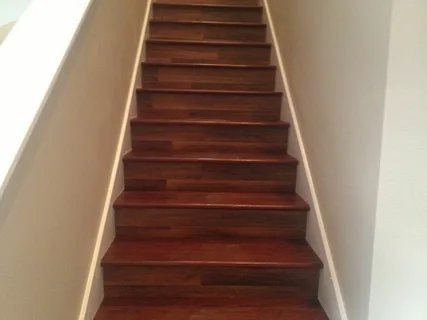
Converting carpeted stairs to red oak stair treads is one of the most rewarding home upgrades a homeowner can take on. Not only does it instantly elevate your interior with classic, natural beauty, but it also improves durability and makes cleaning a breeze. If you’re considering making the switch, this guide will walk you through the process, benefits, and common challenges to watch out for.
Why Switch to Red Oak Stair Treads?
- Timeless Aesthetic Appeal
Red oak offers a warm, elegant grain pattern that complements nearly any interior style—from rustic to modern. - Enhanced Durability
Carpet wears down over time, especially on stairs. Red oak is a hardwood known for its strength and long lifespan, even under heavy foot traffic. - Easy Maintenance
No more vacuuming carpeted steps—red oak stair treads are easy to wipe clean and resist allergens like dust and pet dander. - Increases Home Value
Hardwood staircases are a desirable feature for many buyers and can enhance your home’s market appeal.
Step-by-Step: Converting Carpeted Stairs to Red Oak Stair Treads
Step 1: Remove the Carpet
- Start by pulling up the carpet, padding, and tack strips carefully.
- Be cautious around staples and nails.
Step 2: Inspect and Prep the Substructure
- Evaluate the condition of the underlying treads (typically plywood).
- Repair any damage, squeaks, or uneven surfaces.
- Clean thoroughly to remove dust and debris.
Step 3: Measure and Cut
- Measure each step individually—no two steps are exactly alike.
- Cut your red oak stair treads to size, allowing for slight overhangs (nosing).
Step 4: Dry Fit the Treads
- Before applying adhesive or fasteners, dry fit each tread to ensure accuracy.
Step 5: Install Treads
- Use a high-quality construction adhesive and finishing nails to secure the red oak stair treads in place.
- Check for level and alignment on each step.
Step 6: Finishing Touches
- Sand and stain (if unfinished).
- Apply polyurethane for durability.
- Add matching red oak risers for a polished look, if desired.
Common Challenges and How to Overcome Them
Uneven Steps
Older homes often have inconsistent stair measurements. Custom-sizing each tread is critical.
Squeaky Stairs
Address any creaks before installing your treads—use screws or wood glue to stabilize.
Stair Nosing Compatibility
You may need to trim existing nosing or use retro-fit red oak stair treads with integrated noses.
Time & Labor
While it’s a great DIY project for seasoned homeowners, hiring a professional may ensure better results if you’re new to woodworking.
Final Thoughts
Converting carpeted stairs to red oak stair treads is a satisfying project that pays off in beauty, value, and longevity. While the process takes precision and patience, the final result is a staircase that not only looks stunning but stands up to daily life for decades.
Whether you’re DIY-savvy or working with a contractor, this upgrade is well worth the effort for any homeowner seeking lasting style and quality.
