


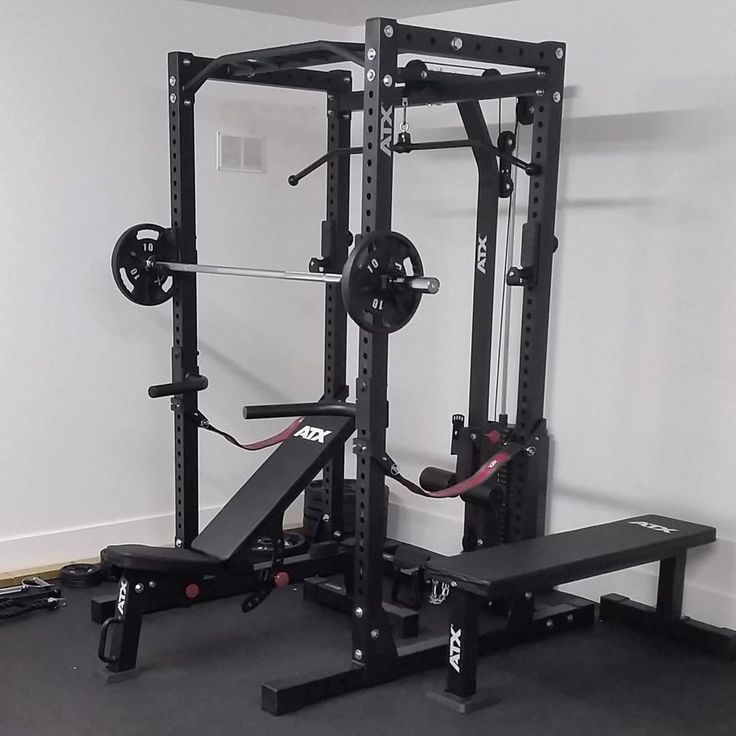
For lifters seeking to maximize muscle growth and pump, the pre-exhaust protocol is a highly effective strategy. This technique involves performing an isolation exercise to fatigue a specific muscle group before moving on to a compound movement that engages the same muscles along with additional secondary muscles. When combined with weight machines, pre-exhaust training allows for controlled, targeted fatigue that enhances overall workout intensity and structure calisthénics effectiveness.
What Is the Pre-Exhaust Protocol?
The pre-exhaust protocol flips the traditional workout order on its head. Instead of starting with heavy compound lifts, you begin with a machine-based isolation exercise to tire the target muscle. For example, performing a chest fly on the pec deck machine before a bench press ensures that your chest, rather than your triceps or shoulders, reaches fatigue first. This method forces the primary muscle to work harder during the subsequent compound exercise.
Benefits of Pre-Exhaust Training
-
Increased Muscle Activation: Isolation first ensures the target muscle is fully engaged in the following compound movement.
-
Enhanced Hypertrophy: Pushing fatigued muscles in compound lifts stimulates more muscle fibers and promotes growth.
-
Improved Mind-Muscle Connection: Focusing on one muscle during isolation heightens awareness and recruitment during the compound lift.
-
Plateau Busting: Pre-exhausting muscles can add intensity without increasing weight, helping overcome stagnation.
-
Controlled Fatigue: Machines allow safe, guided isolation work before tackling free-weight compound movements.
How to Implement the Pre-Exhaust Protocol
1. Select the Target Muscle and Isolation Machine
Choose a machine that isolates the muscle you want to pre-fatigue:
-
Chest: Pec Deck or Chest Fly Machine
-
Back: Lat Pulldown or Straight-Arm Pulldown Machine
-
Shoulders: Lateral Raise or Rear Delt Machine
-
Legs: Leg Extension for quads, Leg Curl for hamstrings, Hip Abductor/Adductor Machines for glutes
2. Perform Isolation Sets
Start with 2–3 sets of 10–15 repetitions, using a moderate weight that brings the muscle close to fatigue by the final rep. Focus on controlled movement, full contraction, and slow eccentric lowering to maximize tension.
3. Transition to Compound Movements
Immediately move to a compound exercise targeting the same muscle group, such as:
-
Chest Fly → Bench Press
-
Leg Extension → Squat or Leg Press
-
Lateral Raise → Overhead Press
-
Lat Pulldown → Bent-Over Row
The primary muscle will already be pre-fatigued, requiring it to work harder during the compound lift.
4. Maintain Form and Control
Even though the pre-exhausted muscle is fatigued, maintain strict form during the compound exercise. Machines allow safer execution than free weights, but attention to posture and technique is still critical to prevent injury.
Tips for Maximizing Pre-Exhaust Workouts
-
Use Moderate to Light Weights for Isolation: The goal is controlled fatigue, not heavy lifting.
-
Focus on Tempo: Slow, deliberate reps increase time under tension and effectiveness.
-
Keep Rest Short: Limit rest between isolation and compound exercises to maintain intensity.
-
Limit Frequency: Pre-exhaust techniques are taxing; use selectively on 1–2 exercises per session.
-
Pair With Progressive Overload: Gradually increase weights, reps, or sets over time to continue challenging muscles.
Benefits Beyond Muscle Growth
Pre-exhaust training not only promotes hypertrophy but also enhances muscular endurance and mind-muscle connection. It can help identify weak points in lifts, improve exercise technique, and ensure balanced development by emphasizing the target muscle over stronger assisting muscles.
Conclusion
The pre-exhaust protocol is a strategic way to maximize muscle engagement and training intensity. By starting with machine-based isolation exercises before compound lifts, lifters can ensure that the target muscles are thoroughly fatigued and effectively stimulated. This approach not only accelerates hypertrophy but also improves form, control, and overall workout efficiency, making it a valuable addition to any machine-focused training program.
