


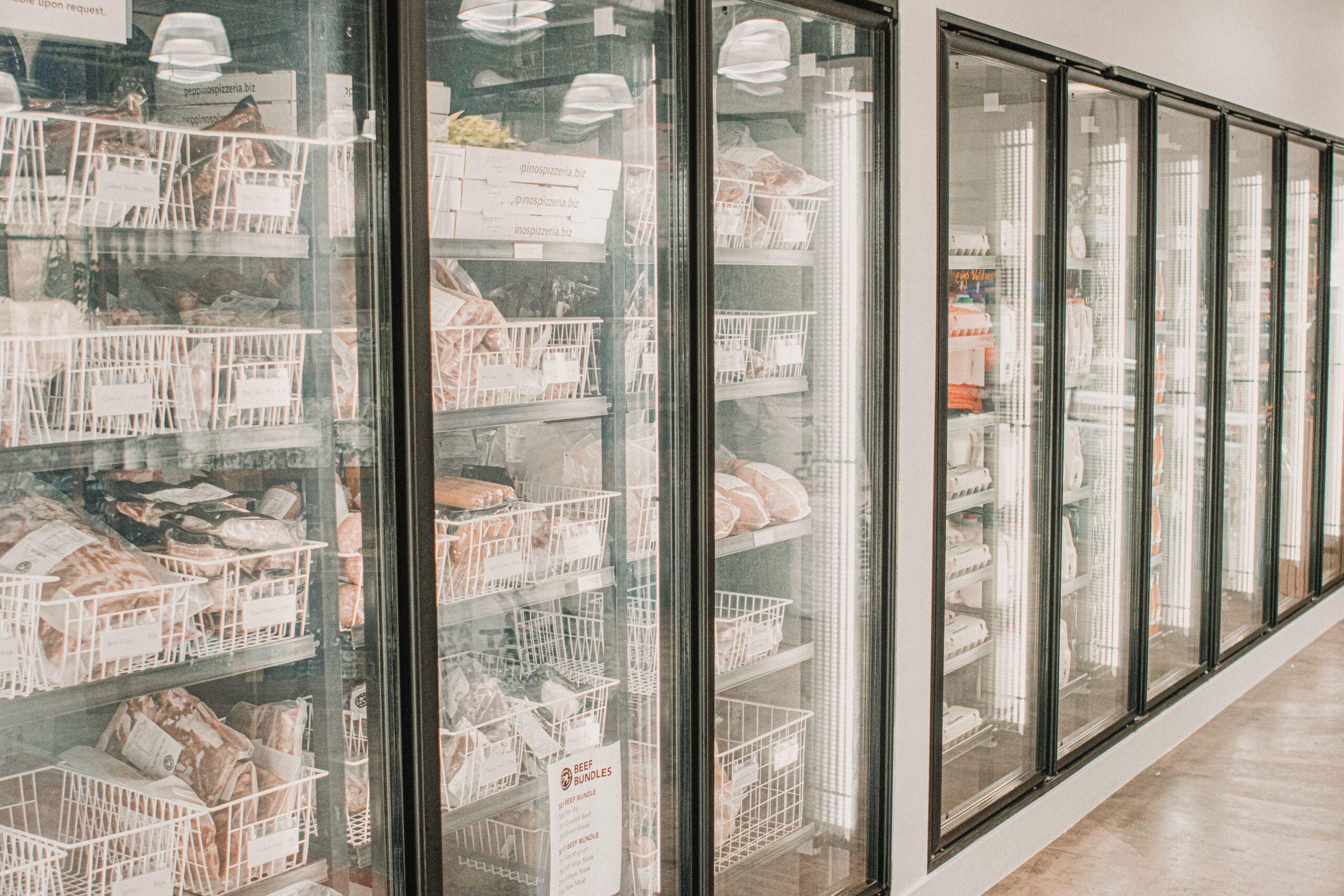
Maintaining consistent cold temperatures in commercial display cases remains a top priority for supermarket managers everywhere. Proper internal circulation ensures that sensitive food products stay fresh while keeping energy bills under control. Modernizing interior display racks can transform how efficiently cold air moves through a cooling unit. Taking a proactive approach to equipment care helps prevent costly food loss while maximizing daily energy savings.
Understanding how Shelving Design Impacts Internal Cold Air Circulation
Refrigerated display cabinets depend on continuous internal air currents to maintain stable temperatures across every tier. Solid or outdated shelf designs frequently block the natural downward flow of chilled air from overhead vents. When cold air cannot pass through the racks easily, warm pockets form around the displayed inventory.
Blocked ventilation forces internal cooling compressors to run constantly just to keep lower sections cold enough. This continuous workload accelerates wear on major mechanical parts and inflates monthly power bills noticeably. Upgrading to engineered rack layouts lets chilled air drop smoothly down through every level without obstruction. Smooth air movement prevents temperature fluctuations, ensuring consistent cooling throughout the entire cabinet. This reliable airflow ultimately extends the lifespan of expensive refrigeration components by eliminating the constant strain of overworking.
Minimizing Airflow Obstructions through Proper Shelf Depth Selection
Selecting the right depth for internal display tiers makes a huge difference in overall refrigeration performance. Deep racks often extend too close to the front glass or rear discharge vents, pinching critical circulation paths. Restricting these key vents disrupts the invisible blanket of cold air that shields products from ambient store temperatures.
Choosing correctly sized racks leaves essential space along the front and back walls of the cabinet body. Chilled air flows freely down the rear plenum and across product displays without spilling out onto the floor.
Proper spatial clearance protects sensitive food inventory while keeping daily power consumption remarkably steady. Maintaining these open pathways ensures efficient performance without overworking the system. This simple spatial adjustment helps lower long-term operating costs while preserving product freshness across every aisle. It also allows store employees to restock products faster without accidentally blocking crucial ventilation paths.
Preventing Equipment Strain with Perforated and Wire Display Racks
Solid shelf surfaces force cooling systems to push cold air around the edges of large inventory displays. Perforated panels and heavy-duty wire racks solve this problem by allowing air to pass directly through the shelves. This direct path keeps items on lower tiers just as cold as items placed near top discharge vents.
Installing open-grid shelving configurations reduces internal static pressure against the evaporator fan motors. Lower resistance allows smaller fan motors to move higher volumes of chilled air with far less effort. Equipment owners frequently evaluate CaseTrim options when searching for specialized shelf replacements designed to optimize case circulation. Easing the physical load on these vital circulation motors also reduces daily electrical draw while significantly extending their operational lifespan.
Maximizing Energy Savings through Strategic Shelf Spacing Practices
The physical distance between display tiers directly affects how easily cold air travels across stored goods. Cramming shelves too close together traps pockets of stagnant, warm air between crowded product boxes. Stagnant air forces the refrigeration equipment into longer cooling cycles to pull temperatures back down. Allowing adequate vertical space between rows ensures that cold air can freely envelop each product, keeping internal temperatures completely uniform.
Spacing tiers according to actual product height creates generous channels for steady horizontal and vertical air movement. Chilled air covers every item evenly, eliminating hot spots without requiring lower thermostat settings. Store operators achieve lower utility costs simply by organizing shelf heights to match their daily stocking needs.
Extending Product Shelf Life with Uniform Temperature Distribution
Inconsistent internal temperatures inside a commercial cooler lead directly to premature food spoilage and financial loss. Items placed on blocked lower shelves warm up quickly, forcing store employees to discard valuable inventory prematurely. Uniform cold distribution protects perishable dairy products alongside meat and produce inventory from damaging temperature spikes.
Upgraded shelf structures help maintain uniform temperature zones throughout the entire height of the display cabinet. Consistent cooling preserves fresh product quality while enhancing visual appeal to build customer trust in store offerings.
Investing in optimized display racks pays off quickly through reduced food waste and lower maintenance demands. Upgrading these components safeguards store profits while providing customers with consistently fresh products. Proactive shelf upgrades ensure long-term equipment efficiency while keeping operational expenses completely manageable.
Conclusion
Upgrading internal display racks offers a practical, high-impact strategy for improving overall commercial refrigeration performance. Better rack design clears blocked vents while easing strain on cooling motors to maintain uniform temperatures across all display tiers. Simple hardware adjustments help store operators lower monthly energy bills while keeping perishable inventory fresh for every customer.
