


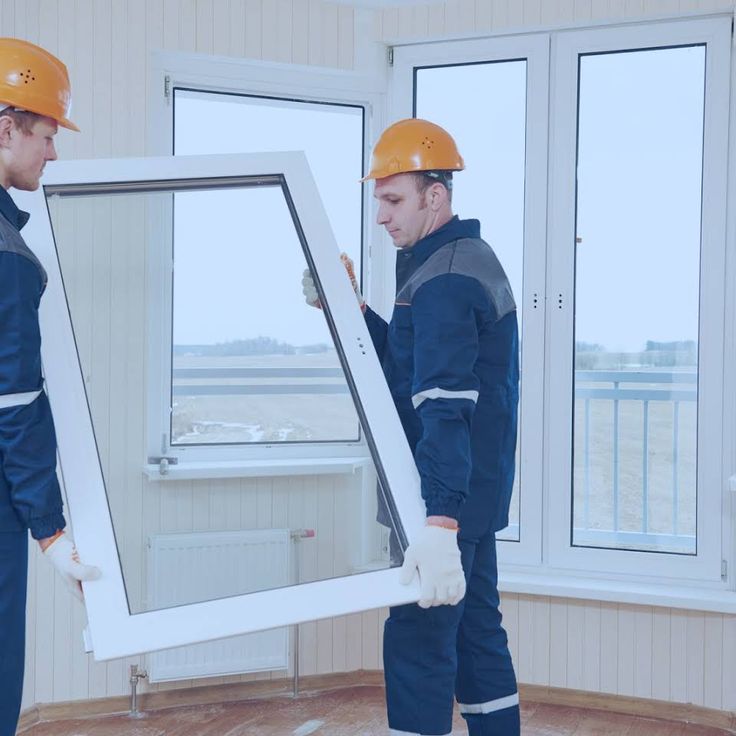
Windows are more than just openings that let in light and air—they are vital components of a home’s energy efficiency, comfort, and aesthetic appeal. Choosing and installing new windows can dramatically improve your living space, reduce utility bills, and increase property value. This guide provides essential insights into selecting the right window installation specialists ensuring a professional installation for long-lasting performance.
Table of Contents
ToggleUnderstanding Your Window Needs
Before choosing new windows, it’s important to assess your home’s needs:
1. Energy Efficiency
-
Look for windows with Energy Star ratings to ensure reduced heat loss in winter and minimal heat gain in summer.
-
Consider double or triple glazing, low-emissivity (Low-E) coatings, and gas-filled panes for maximum insulation.
2. Style and Functionality
-
Casement windows open outward and offer excellent ventilation.
-
Sliding windows are easy to operate and suitable for wide openings.
-
Awning windows tilt outward, allowing ventilation even during rain.
-
Bay and bow windows enhance space and provide panoramic views.
-
Match the window style to your home’s architectural design for visual harmony.
3. Material Selection
-
Vinyl: Affordable, low-maintenance, and energy-efficient.
-
Wood: Offers a classic look and excellent insulation but requires regular maintenance.
-
Aluminum: Durable and sleek, ideal for modern homes but less energy-efficient.
-
Fiberglass: Strong, low-maintenance, and highly energy-efficient, suitable for all climates.
4. Noise Reduction
-
For homes in busy areas, consider laminated glass or double-glazed units to minimize external noise.
5. Security
-
Look for windows with multi-point locking systems and tempered or laminated glass for added safety.
Choosing the Right Glass
The glass in your windows significantly impacts energy efficiency and comfort:
-
Low-E Glass: Reflects heat back into the home during winter and reduces heat absorption in summer.
-
Tempered Glass: Stronger than standard glass and breaks into small, safer pieces.
-
Laminated Glass: Provides added security, sound insulation, and UV protection.
-
Tinted or Reflective Glass: Reduces glare and enhances privacy.
Installation Considerations
Proper installation is as crucial as the window selection itself. Poor installation can lead to air leaks, water infiltration, and reduced energy efficiency. Key steps include:
1. Professional Measurement
-
Accurate measurement ensures a snug fit and prevents gaps that compromise performance.
2. Removal of Old Windows
-
Safely remove old frames and debris while minimizing damage to surrounding walls.
3. Proper Sealing and Insulation
-
Apply flashing, caulk, and insulation to prevent drafts and water leaks.
-
Ensure the window is level and plumb for smooth operation.
4. Finishing Touches
-
Install trim, sills, and weatherstripping to enhance appearance and durability.
-
Test locks, hinges, and opening mechanisms to confirm proper function.
Maintenance Tips for Longevity
Even high-quality windows require care to maintain performance:
-
Clean glass with mild solutions and soft cloths.
-
Inspect seals and caulking annually for cracks or gaps.
-
Lubricate moving parts like hinges and tracks to ensure smooth operation.
-
Check for condensation or moisture between panes, which may indicate a seal failure.
Conclusion
Investing in new windows is a decision that combines aesthetics, functionality, and energy efficiency. By carefully evaluating your home’s needs, selecting the right materials and glass, and ensuring professional installation, you can enjoy improved comfort, reduced energy bills, and a lasting enhancement to your property. Proper maintenance will further extend the life and performance of your windows, giving you a clear view for years to come.
