


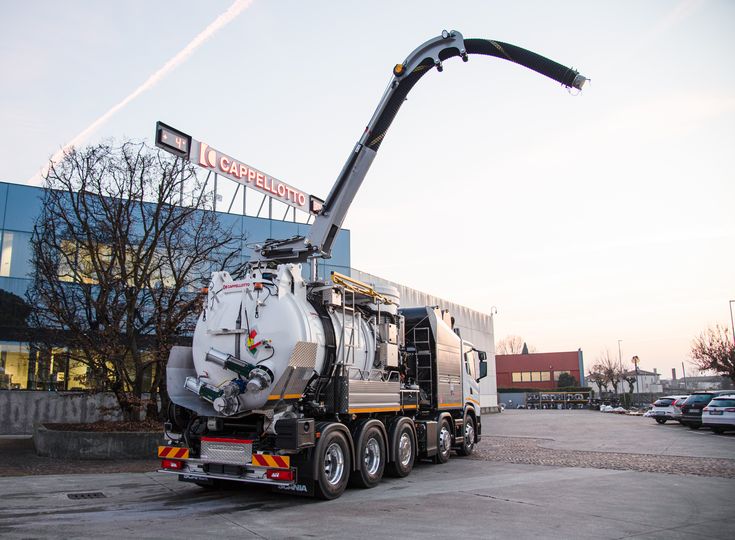
Excavation has long been a cornerstone of construction, utility work, and infrastructure maintenance. Traditionally, digging involved shovels, backhoes, and other mechanical methods, which were often slow, imprecise, and carried a significant risk of damaging underground utilities. Enter hydrovac truck companies, a technology-driven approach that combines high-pressure water and industrial vacuum systems. It is rapidly replacing traditional excavation methods due to its speed, cleanliness, and safety advantages.
Table of Contents
ToggleWhat Is Hydro-Excavation?
Hydro-excavation, also known as hydrovac excavation, uses pressurized water to loosen soil and a vacuum system to remove the debris. Unlike conventional methods, hydro-excavation allows operators to excavate soil with pinpoint precision, making it ideal for sensitive or congested work sites.
The process involves:
-
Water Injection: High-pressure water liquefies soil without damaging nearby structures.
-
Vacuum Suction: The loosened soil is removed and stored in a debris tank for safe disposal.
-
Precision Excavation: Operators can dig around pipes, cables, and other utilities without causing damage.
Why Hydro-Excavation Is Gaining Popularity
1. Speed and Efficiency
-
Hydro-excavation is faster than manual digging, particularly in tight spaces or urban areas.
-
Reduces labor costs by minimizing manual effort and accelerating project timelines.
2. Enhanced Safety
-
Limits the risk of accidental strikes on gas, water, or electrical lines.
-
Reduces worker strain and exposure to hazardous conditions compared to traditional excavation.
-
Less soil disruption decreases the likelihood of collapses or cave-ins.
3. Clean and Controlled Excavation
-
Removes soil and debris efficiently, keeping work sites organized and minimizing environmental impact.
-
Prevents unnecessary damage to surrounding landscapes and infrastructure.
4. Precision and Versatility
-
Can work effectively in various soil types, including clay, sand, gravel, and frozen ground.
-
Ideal for utility maintenance, construction, landscaping, and emergency repairs.
-
Allows for selective digging, such as potholing or daylighting, without disturbing adjacent areas.
5. Environmental and Cost Benefits
-
Reduces the need for heavy machinery, lowering fuel consumption and emissions.
-
Minimizes soil displacement and erosion, preserving surrounding ecosystems.
-
Prevents costly utility damages and project delays caused by accidental strikes.
Applications Across Industries
-
Utility Installation and Maintenance: Safely exposes underground pipelines, cables, and conduits.
-
Construction: Excavates precise holes for foundations, footings, drainage, and landscaping.
-
Emergency Repairs: Provides fast access to buried utilities after storms, flooding, or infrastructure failures.
-
Environmental Remediation: Removes contaminated soil without disturbing surrounding areas.
Best Practices for Hydro-Excavation
-
Site Assessment: Identify all underground utilities and evaluate soil conditions before excavation.
-
Trained Operators: Use skilled technicians to maximize safety and efficiency.
-
Site Safety Measures: Implement barriers, warning signs, and protective gear for personnel.
-
Equipment Maintenance: Regularly inspect water pumps, vacuum systems, and debris tanks.
-
Adjust Techniques to Conditions: Modify water pressure and suction strength based on soil type and project requirements.
Conclusion
Hydro-excavation is redefining excavation by providing a faster, cleaner, and safer alternative to traditional digging methods. Its combination of precision, efficiency, and minimal disruption makes it ideal for modern construction, utility, and environmental projects. As the demand for safe, reliable, and environmentally responsible excavation grows, hydro-excavation is rapidly becoming the preferred solution for contractors and municipalities alike, proving that the future of digging is high-tech, precise, and safe.
