


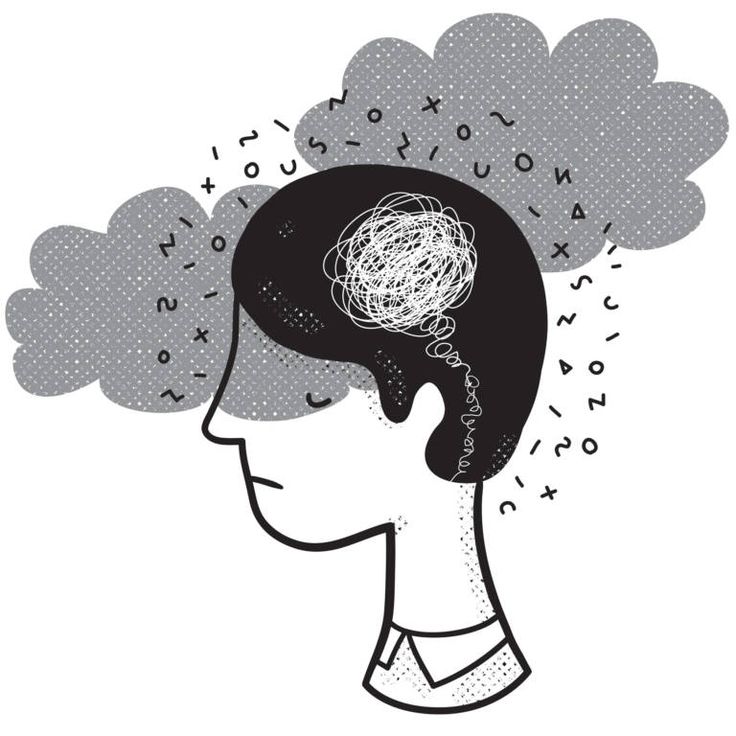
In , as our understanding of human biology deepens with advanced research and neuroimaging, the nervous system continues to reveal itself as the most intricate and fascinating network within the human body. This sophisticated biological system is the master conductor of all our experiences – thoughts, emotions, movements, sensations, and even the involuntary functions that keep us alive.1 It is the body’s ultimate communication superhighway, constantly sending and receiving messages that allow us to interact with the world and maintain internal harmony.
From the fleeting thought that sparks an idea to the complex coordination of a ballet dancer, every action, reaction, and internal process is orchestrated by this incredible system.
The Architecture of Communication: Divisions of the Nervous System
The nervous system is broadly divided into two main parts, each with specialized roles, yet working in seamless collaboration:
-
The Central Nervous System (CNS):
- Components: This is the control center, comprising the brain and the spinal cord.4
- Function: The CNS is responsible for processing incoming sensory information, integrating it, making decisions, and sending out commands.5 The brain, with its billions of neurons, is the seat of consciousness, thought, memory, emotion, and voluntary movement.6 The spinal cord acts as a crucial relay station, transmitting signals between the brain and the rest of the body, and also controlling some reflex actions independently.7
-
The Peripheral Nervous System (PNS):
- Components: This vast network consists of all the nerves that branch out from the brain and spinal cord to every other part of the body, including muscles, organs, glands, and sensory receptors.8
- Function: The PNS acts as the messenger service, carrying information from the body’s senses to the CNS (sensory or afferent nerves) and carrying commands from the CNS back to the muscles and glands (motor or efferent nerves)
The Nervous System’s Impact on Health and Well-being
Given its central role, the health of our nervous system is paramount to our overall well-being:
- Sensation and Movement: Enables us to feel touch, pain, temperature, taste, smell, and see, as well as coordinate every voluntary and involuntary movement.23
- Cognition and Emotion: Underpins our ability to think, learn, remember, make decisions, and experience a full range of emotions.24
- Stress Response: Directly controls how our body reacts to stress, influencing heart rate, breathing, and hormone release. Chronic stress can dysregulate the nervous system, leading to various health issues.25
- Internal Regulation: Automatically manages vital functions like breathing, heart rate, blood pressure, digestion, and body temperature.26
Common Nervous System Disorders
When the nervous system doesn’t function optimally, it can lead to a wide range of conditions:
- Neurodegenerative Diseases: Progressive loss of neurons (e.g., Alzheimer’s Disease, Parkinson’s Disease, Multiple Sclerosis, Amyotrophic Lateral Sclerosis – ALS).27
- Mental Health Conditions: While complex, imbalances in neurotransmitters and neural pathways are implicated in depression, anxiety disorders, schizophrenia, and ADHD.28
- Neuropathies: Damage to peripheral nerves, often causing numbness, pain, and weakness (e.g., diabetic neuropathy, sciatica, carpal tunnel syndrome).29
- Stroke: Disruption of blood flow to the brain, leading to brain damage and functional impairments.30
- Epilepsy: Characterized by recurrent seizures due to abnormal electrical activity in the brain.31
- Infections: Such as meningitis or encephalitis, which cause inflammation of the brain or spinal cord.32
- Traumatic Injuries: Head injuries or spinal cord injuries can cause severe and lasting neurological damage.33
Nurturing Your Nervous System
Protecting and supporting your nervous system is vital for long-term health:
- Balanced Diet: Provide essential nutrients for brain function and neurotransmitter production.34
- Regular Exercise: Boosts blood flow to the brain, reduces stress, and promotes neural health.
- Quality Sleep: Allows the nervous system to repair and consolidate memories.35
- Stress Management: Practices like deep breathing, meditation, and mindfulness help regulate the autonomic nervous system.36
- Mental Stimulation: Engage in activities that challenge your brain, promoting neuroplasticity.
- Limit Toxins: Minimize exposure to alcohol, drugs, and environmental pollutants that can harm neurons.37
- Seek Professional Care: Regular check-ups and prompt attention to neurological symptoms are crucial.
The nervous system is the marvel that allows us to experience the world, learn, grow, and connect. By understanding its incredible complexity and taking proactive steps to nurture its health, we can optimize our physical capabilities, mental clarity, and emotional well-being, paving the way for a more vibrant and fulfilling life.
