


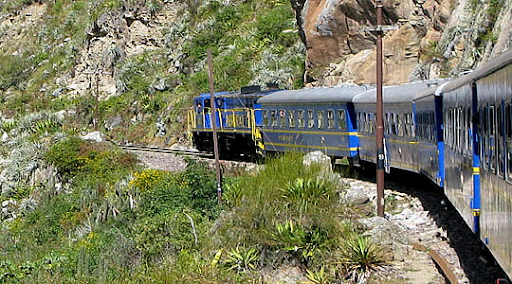
The tourist train to Machu Picchu has become synonymous with the modern pilgrimage to Peru’s most celebrated archaeological site, serving as the primary gateway through which millions of visitors experience the Lost City of the Incas. These specially designed trains cater specifically to international and domestic tourists, offering comfort, scenic viewing opportunities, and cultural enrichment that transforms necessary transportation into memorable experiences. Understanding what makes these tourist trains distinctive and how to maximize their potential ensures your journey contributes positively to your overall Machu Picchu adventure.
What Defines a Tourist Train
The tourist train to Machu Picchu differs fundamentally from standard passenger rail services operating elsewhere in Peru. These trains are purpose-built for sightseeing, featuring large panoramic windows that maximize visibility of the spectacular Andean landscapes traversed during the journey. Window design extends viewing angles both horizontally and vertically, allowing passengers to appreciate towering mountain peaks, cascading waterfalls, and dramatic cliff faces without craning necks or missing overhead features.
Comfortable seating with generous legroom reflects the tourist-oriented nature of these services. Unlike commuter trains designed for short journeys with minimal amenities, the tourist train to Machu Picchu provides seating suitable for 90-minute to three-hour journeys depending on departure points. Climate control systems maintain pleasant temperatures regardless of external conditions that might range from cool mountain air to warm subtropical temperatures as trains descend into cloud forest zones.
Onboard amenities distinguish tourist trains from basic transportation. Complimentary refreshments including beverages like coca tea, coffee, and soft drinks, along with snacks featuring Peruvian ingredients, ensure passenger comfort while introducing local flavors. Clean restroom facilities maintained throughout journeys address practical needs during trips where no stops occur between departure and destination stations.
Cultural programming adds educational and entertainment value to the tourist train to Machu Picchu experience. Bilingual staff provide commentary about passing landmarks, historical information about the Inca civilization, and details about contemporary Andean culture. Some services include fashion shows displaying traditional textiles, musical performances featuring Andean instruments, or other cultural presentations that enrich the journey beyond purely visual experiences.
The Tourist Experience Philosophy
Tourist trains to Machu Picchu embrace a hospitality philosophy recognizing that international visitors often have limited time, may be unfamiliar with Peruvian culture and customs, and deserve service quality matching global standards. This approach manifests through bilingual staff fluent in English and Spanish, clear communication about schedules and procedures, and assistance navigating the sometimes confusing logistics of reaching Machu Picchu.
The tourist train to Machu Picchu experience emphasizes stress-free travel where passengers can relax and enjoy scenery without worrying about navigation, timing, or understanding complex instructions in unfamiliar languages. Staff members anticipate common tourist needs and questions, providing proactive information about what to expect at various journey stages. This hand-holding approach, while unnecessary for experienced travelers, proves invaluable for first-time Peru visitors or those anxious about independent travel in foreign countries.
Safety and reliability form core components of the tourist train philosophy. Operators maintain rigorous maintenance schedules, employ trained professionals, and follow international safety standards adapted to Andean conditions. These quality commitments ensure tourists can trust the service reliability and safety standards even when traveling through remote mountain terrain far from urban centers.
Comparing Tourist Train Classes
The tourist train to Machu Picchu market includes multiple service tiers accommodating diverse budgets and preferences. Understanding distinctions between these classes helps travelers select options delivering desired experiences at appropriate price points. Economy tourist trains provide fundamental comfort with panoramic windows, standard seating, basic refreshments, and onboard commentary. These services deliver everything essential for enjoying the journey without premium amenities that substantially increase costs.
Mid-range tourist trains enhance the experience through upgraded features like observatory-style ceiling windows creating immersive viewing environments, superior refreshments showcasing Peruvian culinary traditions, cultural programming including fashion shows and musical performances, and more spacious seating with additional recline options. The tourist train to Machu Picchu at this level represents optimal value for many travelers, delivering significantly enhanced experiences for moderate additional investment over economy services.
Luxury tourist trains transform the journey into destination experiences rivaling Machu Picchu itself. These premium services feature gourmet multi-course meals prepared by accomplished chefs, open bar service with champagne and craft cocktails, live traditional music, observation cars with outdoor platforms, elegant period-appropriate decor evoking golden age rail travel, and comprehensive VIP treatment extending beyond the train to include expedited site access and expert archaeological guides. While expensive, luxury tourist trains create once-in-a-lifetime experiences for special occasions or travelers who simply prefer ultimate comfort.
The Scenic Journey’s Highlights
The route traveled by the tourist train to Machu Picchu ranks among the world’s most spectacular railway journeys, delivering constantly changing landscapes that justify the train’s reputation as an experience unto itself. Departing from Ollantaytambo, trains immediately enter the dramatic Urubamba canyon where the river has carved passages through ancient rock over millions of years. Sheer cliff faces rise hundreds of feet on both sides, with the train sometimes passing so close to canyon walls that passengers could nearly touch the stone.
Agricultural terraces built by Incan engineers cascade down mountainsides, demonstrating sophisticated adaptation to challenging terrain. Some terraces remain actively cultivated using traditional methods, while others stand as archaeological monuments to ancient agricultural innovation. These living and historical landscapes provide tangible connections between contemporary Andean communities and their Incan ancestors.
The river itself becomes a constant companion during the tourist train to Machu Picchu journey, alternating between peaceful flowing sections and dramatic rapids where water crashes over and around boulders in displays of hydraulic power. Its turquoise color contrasts beautifully against rocky shores and verdant vegetation, creating photogenic scenes that change with lighting conditions throughout the day.
Waterfalls appear frequently along the route, particularly during wet season months when rainfall feeds countless cascades tumbling down cliff faces. Some falls drop hundreds of feet in misty veils that catch sunlight and create ephemeral rainbows, while others emerge from rock formations in unexpected locations. These natural features demonstrate the region’s abundant water resources and the forces continually reshaping Andean landscapes.
The ecological transition from high Andean zone to subtropical cloud forest unfolds visibly during the journey. Hardy grasses and sparse vegetation gradually give way to increasingly lush growth including ferns, orchids, bromeliads, and countless other species creating dense green tapestries. This transformation occurring over just 90 minutes illustrates the remarkable biodiversity compressed within short elevational distances in the Peruvian Andes.
Practical Considerations for Tourist Train Travel
Successfully navigating the tourist train to Machu Picchu requires understanding several practical elements. Luggage restrictions limit passengers to small carry-on bags that fit in overhead racks or under seats, as space remains constrained compared to other transport modes. Travelers staying overnight in Aguas Calientes must pack efficiently, bringing only essentials for one or two nights while leaving larger bags in Cusco or Ollantaytambo storage facilities.
Arriving at stations at least 30 minutes before scheduled departures ensures adequate time for ticket verification, boarding procedures, and settling into seats before trains depart. The tourist train to Machu Picchu operates on relatively fixed schedules, and late arrivals risk missing departures with no refunds for unused tickets. Building buffer time into morning routines prevents schedule-induced stress that can sour the start of your adventure.
Seating assignments vary by operator and service class. Some tourist trains feature open seating where early arrivals select preferred positions, while others assign specific seats during booking. Window seats obviously provide best viewing experiences, though the constantly changing scenery means interesting features appear on both sides throughout journeys. Passengers in any seat enjoy good visibility through the panoramic window design.
Photography opportunities abound during tourist train to Machu Picchu journeys, though capturing quality images requires strategy. Train motion creates challenges for photography, with vibration potentially blurring images. Using faster shutter speeds helps freeze motion, while image stabilization technology available in modern cameras and smartphones significantly improves results. Positioning lenses close to windows minimizes reflections that can interfere with photographs, particularly when interior lights are bright and exterior conditions darker.
Tourist Train Etiquette and Cultural Sensitivity
While the tourist train to Machu Picchu caters primarily to international visitors, maintaining respectful behavior enhances experiences for everyone aboard. Keeping voices at moderate levels prevents disturbing other passengers who may be resting, reading, or simply enjoying quiet contemplation of passing scenery. The enclosed environment means loud conversations carry throughout cars, potentially affecting many people beyond your immediate travel companions.
Photography should consider other passengers’ privacy and comfort. While capturing scenic views through windows proves perfectly acceptable, photographing other passengers without permission violates social norms and potentially legal privacy protections. Be mindful that your photography activities don’t block views for others or create disruptions that diminish their experiences.
Engaging respectfully with local staff and any Peruvian passengers creates positive cultural exchanges. Many tourists focus exclusively on fellow international travelers, missing opportunities to interact with people whose ancestors built Machu Picchu and who maintain living connections to Andean traditions. Simple greetings in Spanish, showing interest in local culture, and displaying genuine curiosity rather than tourist entitlement foster meaningful interactions.
Environmental Considerations
The tourist train to Machu Picchu operates through ecologically sensitive areas where tourism impacts require careful management. Responsible operators implement environmental practices minimizing their footprint, including waste management systems preventing littering along tracks, water conservation measures, and supporting local conservation initiatives. As passengers, tourists can contribute by properly disposing of waste, avoiding throwing anything from trains, and supporting operators demonstrating environmental commitment.
The concentration of tourism at Machu Picchu creates challenges including erosion, waste management, and impacts on surrounding ecosystems. While individual tourist train journeys have minimal environmental impact compared to alternative access methods like extensive road construction, the cumulative effect of millions of visitors annually requires sustainable management. Choosing operators with strong environmental policies and following Leave No Trace principles during site visits helps preserve Machu Picchu for future generations.
The Social Dimension of Tourist Trains
The tourist train to Machu Picchu creates unique social environments where travelers from diverse backgrounds share common destinations and experiences. These temporary communities often generate interesting conversations, shared excitement, and sometimes lasting friendships. Many passengers appreciate connecting with fellow travelers, exchanging stories about their journeys, sharing travel tips, and celebrating together the achievement of reaching Machu Picchu.
For solo travelers, tourist trains provide natural opportunities for social interaction without the isolation that can accompany independent travel. The shared experience of witnessing spectacular scenery and approaching an iconic destination creates conversation starters and common ground that bridge cultural and linguistic differences. Even travelers preferring solitude generally appreciate the ambient energy of excited tourists anticipating their Machu Picchu experiences.
Conclusion
The tourist train to Machu Picchu represents far more than efficient transportation to an archaeological site. These purpose-designed services create experiences that honor both the magnificent Andean landscapes traversed and the remarkable destination awaiting at journey’s end. Through thoughtful design emphasizing comfort, visibility, cultural education, and tourist-focused service, these trains transform necessary logistics into memorable adventures that complement rather than merely facilitate Machu Picchu visits.
Understanding what distinguishes tourist trains from ordinary rail services, how different classes serve varied preferences and budgets, and practical considerations for maximizing journey enjoyment ensures travelers approach this experience prepared to appreciate its full value. Whether selecting economy services delivering fundamental quality or splurging on luxury trains offering ultimate comfort, the tourist train to Machu Picchu provides the gateway through which modern pilgrims access one of humanity’s greatest achievements, bridging centuries and cultures through steel rails winding through the heart of the Andes.
