


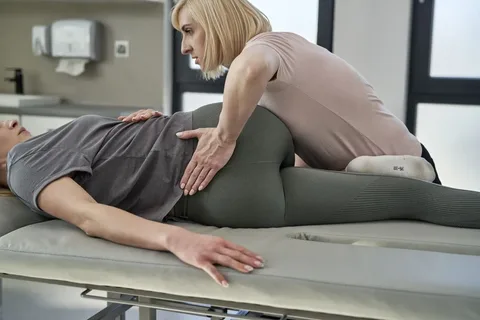
Women’s health is evolving rapidly as healthcare professionals and patients alike seek more personalized, preventive, and holistic approaches to wellness. In recent years, women have become increasingly proactive about their health, looking beyond traditional treatments and embracing strategies that support long-term well-being. Among these approaches, chiropractic care has gained significant attention for its focus on spinal health, nervous system function, mobility, and overall quality of life.
As healthcare continues to advance, the future of women’s health and chiropractic care appears closely connected. Chiropractic services are no longer viewed solely as a solution for back pain. Instead, they are becoming part of broader wellness plans that address physical comfort, lifestyle challenges, movement efficiency, and preventative health goals. Looking ahead, chiropractic care is expected to play an even greater role in helping women maintain healthy, active, and balanced lives.
The Changing Landscape of Women’s Health
Women today face unique health challenges that often vary throughout different stages of life. From adolescence and pregnancy to motherhood, career demands, and aging, women experience continuous physical and hormonal changes that influence overall health.
Modern healthcare is shifting toward individualized care plans rather than one-size-fits-all solutions. This change reflects a growing understanding that women require healthcare strategies tailored to their specific needs, lifestyles, and health goals.
The future of women’s health will likely emphasize:
- Preventive healthcare
- Early intervention
- Improved mobility and function
- Stress management
- Holistic wellness approaches
- Personalized treatment plans
- Greater patient education
Chiropractic care aligns naturally with many of these goals because it focuses on optimizing body function and supporting the body’s ability to adapt to everyday challenges.
A Stronger Focus on Preventive Wellness
One of the most important trends shaping the future of healthcare is prevention. Rather than waiting for symptoms to become severe, many women are choosing to take proactive steps to maintain health and prevent future problems.
Preventive wellness may include:
- Regular physical activity
- Healthy nutrition
- Quality sleep habits
- Stress reduction techniques
- Routine wellness assessments
- Chiropractic evaluations
Chiropractic care can contribute to preventive health by helping maintain spinal alignment, joint mobility, and efficient movement patterns. As awareness grows, more women may incorporate chiropractic visits into their regular wellness routines, similar to annual health checkups or fitness programs.
This preventive approach can help women stay active, productive, and comfortable throughout various life stages.
Technology and Chiropractic Innovation
Technology is transforming nearly every aspect of healthcare, and chiropractic care is no exception. Future advancements are expected to improve assessment methods, treatment precision, and patient education.
Emerging technologies may include:
Advanced Posture Analysis
Digital posture assessments can provide detailed information about body alignment and movement patterns. Future systems may become even more sophisticated, helping chiropractors identify subtle imbalances before they contribute to discomfort or dysfunction.
Movement Tracking
Wearable devices are becoming increasingly common. Future chiropractic care may incorporate movement-monitoring technology that tracks posture, walking patterns, exercise habits, and physical stress throughout the day.
These insights could help women better understand how daily activities impact their health.
Personalized Treatment Planning
Artificial intelligence and data analysis tools may assist healthcare providers in creating individualized care plans based on lifestyle factors, health history, and movement patterns.
Such innovations could help women receive more targeted and effective chiropractic recommendations.
Pathfinder Chiropractic
Pathfinder Chiropractic is dedicated to helping individuals and families achieve better health through personalized chiropractic care. By focusing on spinal alignment, nervous system function, and overall wellness, the clinic aims to address the root causes of discomfort rather than simply managing symptoms. Whether patients are seeking relief from pain, improved mobility, better posture, or ongoing wellness support, Pathfinder Chiropractic emphasizes a patient-centered approach designed to promote long-term health, vitality, and an active lifestyle.
Supporting Women Through Pregnancy and Motherhood
Pregnancy represents one of the most physically demanding periods in a woman’s life. As the body changes to support a growing baby, many women experience increased strain on the spine, pelvis, and surrounding muscles.
The future of chiropractic care may involve even greater integration into prenatal wellness programs.
Potential benefits of this integration include:
- Improved physical comfort during pregnancy
- Better posture support
- Enhanced pelvic balance
- Reduced movement restrictions
- Support for healthy physical adaptation
As research and awareness continue to expand, chiropractic services may become a more common component of comprehensive maternity care.
Additionally, postpartum recovery programs may increasingly incorporate chiropractic care to support women as they regain strength, mobility, and stability following childbirth.
Addressing Workplace and Lifestyle Challenges
Modern women often juggle multiple responsibilities, including careers, family obligations, education, and personal goals. These demands can create physical stress that affects posture, movement, and overall health.
Common lifestyle challenges include:
- Prolonged sitting
- Excessive screen time
- Poor workstation ergonomics
- Repetitive movements
- Limited physical activity
- Chronic stress
The future of chiropractic care will likely place greater emphasis on lifestyle education and workplace wellness.
Women may receive customized guidance regarding:
- Ergonomic workstations
- Stretching routines
- Movement breaks
- Exercise programs
- Stress management strategies
- Posture improvement techniques
This broader approach can help address the root causes of physical strain rather than simply responding to symptoms after they occur.
The Growing Importance of Nervous System Health
The nervous system controls communication throughout the body. It influences movement, coordination, balance, and countless physiological functions.
Future healthcare models may place greater attention on maintaining optimal nervous system performance as part of overall wellness.
Chiropractic care focuses heavily on the relationship between the spine and nervous system. As public awareness grows, more women may seek chiropractic services as part of their efforts to support overall body function and resilience.
This shift could help women better understand how spinal health contributes to physical performance, mobility, and daily comfort.
Integrative Healthcare Models
The future of healthcare is increasingly collaborative. Rather than working independently, healthcare providers from various disciplines are beginning to coordinate care more effectively.
Women may benefit from healthcare teams that include:
- Primary care physicians
- Chiropractors
- Physical therapists
- Nutrition professionals
- Fitness specialists
- Mental wellness practitioners
- Women’s health experts
This integrative approach allows women to receive comprehensive care that addresses multiple aspects of health simultaneously.
Chiropractic care may become a more recognized and accepted component of these multidisciplinary wellness programs, helping women achieve more complete and balanced health outcomes.
Healthy Aging and Long-Term Mobility
As life expectancy continues to increase, maintaining mobility becomes increasingly important. Women want to remain active, independent, and engaged throughout their lives.
The future of women’s health will likely place significant emphasis on healthy aging strategies that preserve:
- Flexibility
- Balance
- Strength
- Joint function
- Mobility
- Independence
Chiropractic care may play an important role in supporting these goals by helping women maintain proper movement patterns and physical function as they age.
Rather than focusing solely on symptom management, future wellness plans may prioritize maintaining physical capabilities that support active living for decades.
Mental Wellness and Physical Health Connections
Healthcare professionals increasingly recognize the close relationship between physical and mental well-being. Stress, tension, fatigue, and emotional strain often affect the body in noticeable ways.
Future women’s healthcare strategies will likely address both physical and emotional wellness as interconnected components of health.
Chiropractic care may complement broader wellness efforts by helping reduce physical tension and improving movement quality. Combined with healthy lifestyle habits, this can contribute to a greater sense of overall well-being.
Women are increasingly seeking healthcare providers who understand the importance of treating the whole person rather than focusing on isolated symptoms.
Education and Patient Empowerment
One of the most promising trends in healthcare is the rise of patient education. Women today have access to more health information than ever before and are becoming active participants in their healthcare decisions.
The future of chiropractic care may involve expanded educational resources that help women understand:
- Spinal health
- Posture awareness
- Movement mechanics
- Injury prevention
- Exercise techniques
- Lifestyle optimization
Empowered patients often make more informed decisions and develop healthier long-term habits.
This educational approach encourages women to take ownership of their wellness journey and build sustainable practices that support lifelong health.
Personalized Wellness Programs
Every woman has unique health goals, physical demands, and lifestyle circumstances. Future healthcare systems are expected to move further toward personalized care models.
Rather than applying identical recommendations to everyone, providers may develop highly individualized wellness plans based on:
- Age
- Activity level
- Occupation
- Health history
- Personal goals
- Family responsibilities
- Physical condition
Chiropractic care is well-positioned to support this personalized approach because treatment plans can be customized to meet each individual’s needs.
As healthcare continues evolving, women may increasingly expect care that reflects their specific circumstances and long-term objectives.
Expanding Access to Chiropractic Care
Another important aspect of the future is accessibility. Advances in telehealth, digital communication, and patient education platforms may help more women access healthcare resources regardless of location.
While chiropractic adjustments require in-person visits, many aspects of wellness coaching, posture education, exercise instruction, and progress monitoring can be delivered through digital tools.
These innovations may make it easier for women to stay engaged with their health plans and receive ongoing support between appointments.
Looking Ahead
The future of women’s health is moving toward a model that values prevention, education, personalization, and whole-body wellness. Women are increasingly seeking healthcare solutions that support not only symptom relief but also long-term vitality, mobility, and quality of life.
Chiropractic care is likely to play an increasingly important role in this transformation. Through its emphasis on spinal health, movement efficiency, nervous system support, and preventive wellness, chiropractic care aligns with many of the goals shaping modern healthcare.
As technology advances, healthcare becomes more integrated, and women continue taking an active role in managing their well-being, chiropractic care may become an even more valuable component of comprehensive women’s health strategies. The future promises a healthcare environment where women have greater access to personalized support, improved education, and proactive wellness tools that help them thrive at every stage of life.
