


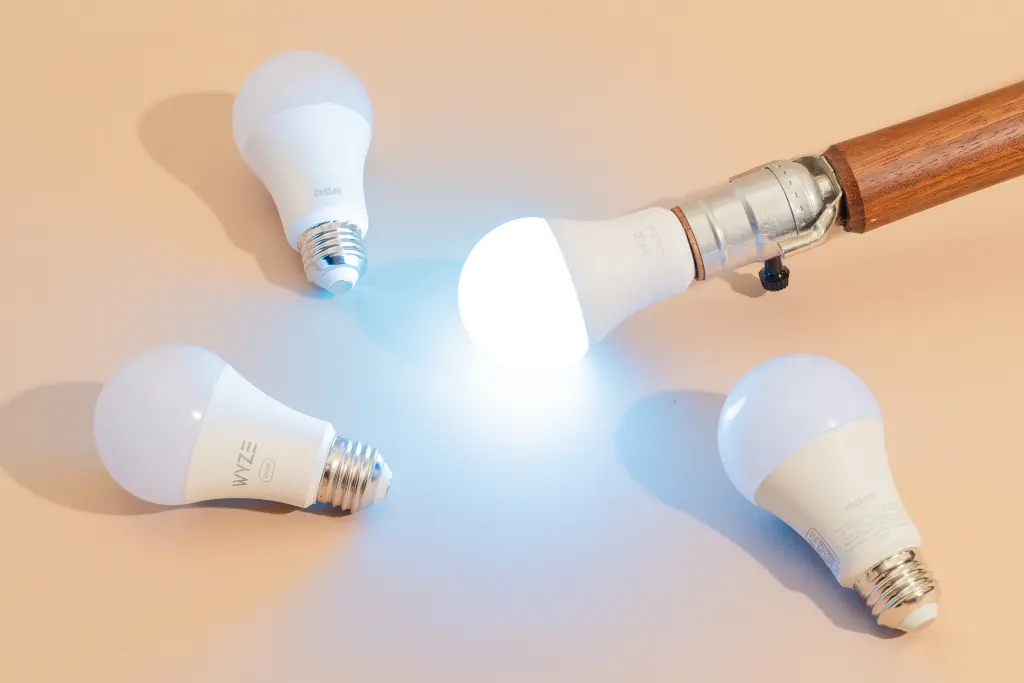
Choosing the right lighting can completely change the look, feel, and functionality of your home or workspace. With so many options available today, selecting the perfect bulb requires understanding factors like brightness, color temperature, energy efficiency, and compatibility. LED light bulbs have become a popular choice because they offer long-lasting performance, lower energy consumption, and better lighting quality compared to traditional bulbs. However, choosing the right LED bulb depends on where you plan to use it and what type of lighting experience you want to create.
Whether you are replacing old incandescent bulbs, upgrading your home lighting, or improving commercial spaces, knowing what features to look for can help you make a smarter decision. This guide explains everything you need to know before buying LED light bulbs.
Why Choose LED Light Bulbs?
LED (Light Emitting Diode) technology has transformed the lighting industry by providing a more efficient alternative to traditional incandescent and fluorescent bulbs. Unlike incandescent bulbs that produce light by heating a filament, LEDs use semiconductor technology to convert electricity into light with minimal heat loss.
Some key benefits of LED light bulbs include:
- Energy efficiency: LED bulbs use significantly less electricity compared to incandescent bulbs.
- Long lifespan: Quality LED bulbs can last thousands of hours, reducing replacement costs.
- Lower heat output: LEDs produce less heat, making them safer and more efficient.
- Better lighting control: Available in different brightness levels and color temperatures.
- Eco-friendly option: Reduced energy usage helps lower environmental impact.
Because of these advantages, LED bulbs are now widely used in homes, offices, retail stores, warehouses, and outdoor spaces.
Understand Lumens Instead of Watts
One of the biggest mistakes people make when buying LED bulbs is comparing watts instead of brightness. Traditional bulbs were measured by wattage because it indicated how much power they consumed. However, LED technology uses much less energy, so wattage is no longer the best way to determine brightness.
Instead, look at lumens.
Lumens measure the amount of visible light produced by a bulb.
Here is a general comparison:
| Brightness Level | Approximate LED Wattage | Suitable For |
| 450 lumens | 4–6 watts | Small lamps, accent lighting |
| 800 lumens | 8–10 watts | Bedrooms, hallways, table lamps |
| 1100 lumens | 12–15 watts | Kitchens, living rooms |
| 1600+ lumens | 18+ watts | Large rooms, work areas |
Higher lumens mean brighter light. Always consider the size of your room and the purpose of the lighting before selecting brightness.
Choose the Right Color Temperature
Color temperature determines how the light appears and affects the mood of a space. LED light bulbs are available in different color temperatures measured in Kelvin (K).
Warm White (2700K–3000K)
Warm white creates a cozy and relaxing atmosphere. It works well for:
- Bedrooms
- Living rooms
- Dining areas
- Hospitality spaces
This type of lighting resembles the soft glow of traditional incandescent bulbs.
Neutral White (3500K–4100K)
Neutral white provides a balanced, natural appearance. It is ideal for:
- Kitchens
- Bathrooms
- Offices
- Workspaces
Cool White (5000K–6500K)
Cool white produces a bright, daylight-like effect. It is commonly used for:
- Garages
- Workshops
- Commercial spaces
- Security lighting
Selecting the right color temperature ensures your lighting matches the function and style of your space.
Check the Bulb Base Type
Before purchasing an LED bulb, make sure it fits your existing fixture. Bulb bases come in different sizes and designs.
Common LED bulb bases include:
- E26/E27: Standard screw base used in most household fixtures
- GU10: Commonly used for spotlights and recessed lighting
- MR16: Often found in track lighting and accent fixtures
- E12: Smaller base commonly used for decorative and chandelier bulbs
Check your current bulb or fixture specifications to avoid purchasing an incompatible bulb.
Consider the Bulb Shape and Application
LED bulbs come in various shapes designed for different lighting needs.
A19 LED Bulbs
A19 bulbs are the most common household bulbs and work well in:
- Ceiling fixtures
- Table lamps
- Wall sconces
BR LED Bulbs
BR bulbs provide focused directional lighting and are commonly used in:
- Recessed cans
- Track lighting
- Display lighting
PAR LED Bulbs
PAR bulbs are designed for outdoor and spotlight applications where focused beams are needed.
Candle LED Bulbs
Candle-shaped bulbs are ideal for:
- Chandeliers
- Decorative fixtures
- Wall lights
Choosing the right shape ensures better light distribution and improved appearance.
Consider Dimmable LED Bulbs
If your fixture has a dimmer switch, choose LED bulbs specifically labeled as dimmable. Regular LED bulbs may flicker or fail to work properly when connected to dimmer controls.
Before purchasing dimmable LED bulbs, check:
- Dimmer switch compatibility
- Minimum and maximum wattage ratings
- Manufacturer recommendations
Upgrading both the bulb and dimmer switch may be necessary for smooth brightness control.
Look for Energy Efficiency Ratings
A high-quality LED bulb should have strong energy efficiency ratings. Energy-efficient bulbs help reduce electricity costs while providing reliable performance.
When comparing LED bulbs, check:
- Energy Star certification
- Estimated yearly energy cost
- Expected lifespan
- Power consumption
A slightly higher upfront cost often results in greater savings over the bulb’s lifetime.
Consider Where You Will Use the Bulb
Different areas require different types of lighting. Consider the purpose before choosing an LED bulb.
For Bedrooms
Choose warm white bulbs with comfortable brightness levels to create a relaxing environment.
For Kitchens
Bright neutral or cool white lighting helps improve visibility for cooking and food preparation.
For Bathrooms
Choose bright bulbs with accurate color rendering for grooming and daily tasks.
For Offices
Cool or neutral lighting can improve focus and reduce eye strain during work.
For Outdoor Areas
Select weather-resistant LED bulbs designed for outdoor use.
Check Color Rendering Index (CRI)
CRI measures how accurately a light source displays colors compared to natural sunlight. A higher CRI means colors appear more realistic.
For most homes:
- CRI 80+ is acceptable
- CRI 90+ is ideal for areas where accurate colors matter
High-CRI LED bulbs are especially useful in kitchens, bathrooms, art studios, and retail environments.
Common Mistakes to Avoid When Buying LED Bulbs
Avoid these common mistakes when selecting LED lighting:
Choosing the Wrong Brightness
A bulb that is too dim may make a room uncomfortable, while excessive brightness can create glare.
Ignoring Fixture Compatibility
Always check the bulb size, base type, and voltage requirements.
Selecting the Wrong Color Temperature
A cool white bulb may feel harsh in a bedroom, while warm lighting may not provide enough visibility in a workspace.
Buying Based Only on Price
The cheapest bulb may have a shorter lifespan or lower-quality light output. Consider efficiency, warranty, and performance before making a decision.
Final Thoughts
Choosing the right LED light bulb requires more than simply picking a bulb that fits your fixture. Factors like brightness, color temperature, bulb shape, energy efficiency, dimming capability, and application all play an important role in creating the right lighting environment.
For a wide selection of energy-efficient lighting solutions, Buy LED Online offers quality LED products designed for residential, commercial, and industrial applications. By selecting the right LED bulb based on your specific needs, you can enjoy better illumination, lower energy costs, and long-lasting performance.
