


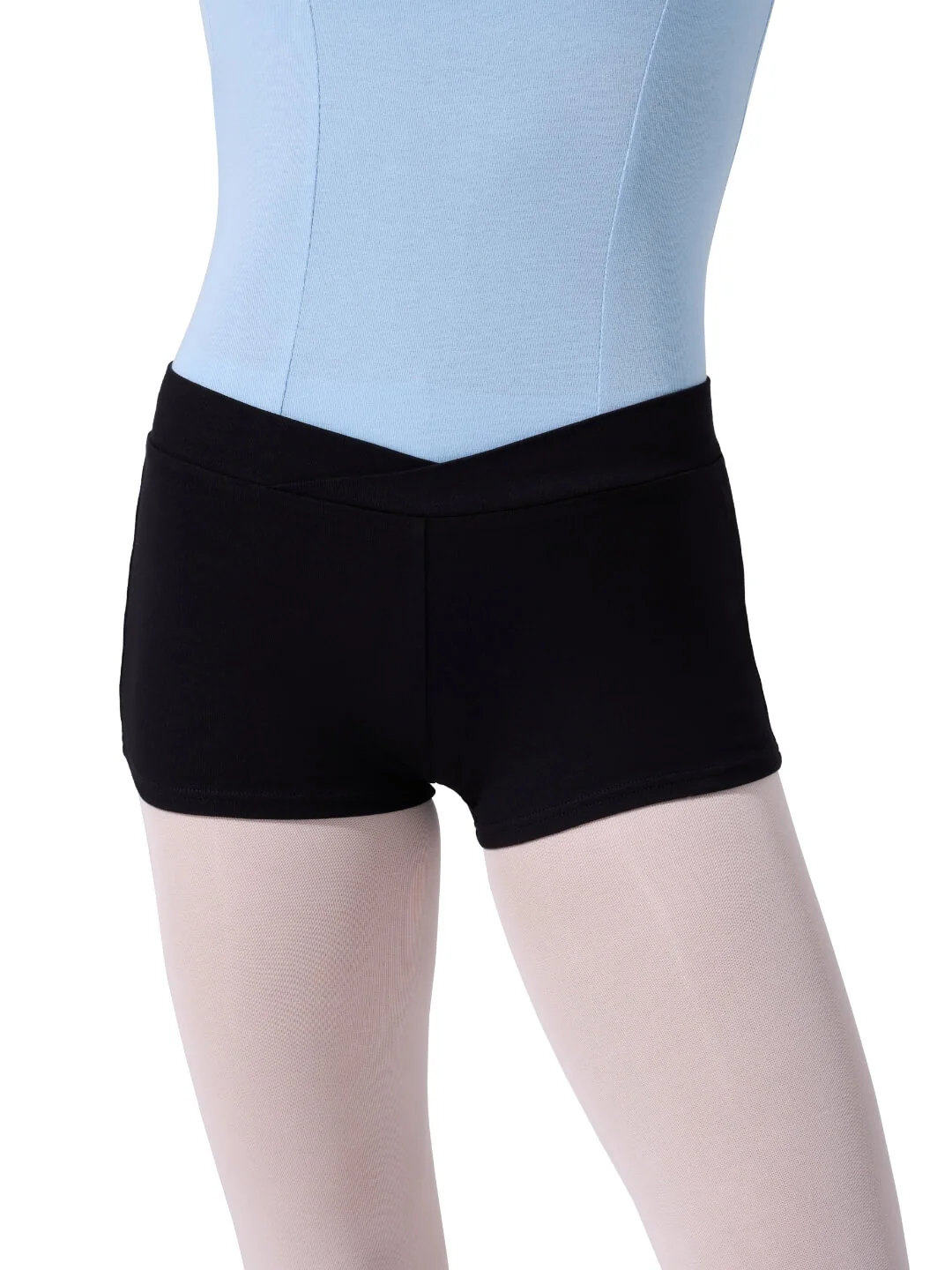
The right pair of shorts can make a meaningful difference in how a dancer trains — affecting range of motion, confidence, and how technique reads visually in the studio or on stage. Despite their apparent simplicity, dance shorts are one of the most considered purchases in a dancer’s wardrobe, with meaningful variation in cut, fabric, and construction that directly affects performance and comfort. Whether you are a competitive dancer building out your training wardrobe, a coach looking to recommend reliable options to your students, or a dance fitness enthusiast who wants pieces that genuinely keep up with your movement, understanding what separates a well-made pair from a generic alternative is where the right decision starts.
Why Dance Shorts Remain a Studio Essential
Dance shorts have anchored studio training wardrobes for generations, and their staying power reflects genuine functional value rather than passing trend. In warm training environments and high-intensity disciplines, shorts offer freedom of movement and temperature regulation that leggings and longer training bottoms cannot always match.
Beyond their practical utility, dance shorts carry significant weight in the studio setting. They are the piece dancers across almost every style gravitate toward when they want to see their lines — to observe leg extension, assess turnout, and watch footwork without fabric obscuring the lower leg. For teachers and coaches, seeing a student’s legs clearly during class is often part of how technical corrections are identified and communicated in real time.
Types of Dance Shorts and What They Are Best For
Not all dance shorts are designed for the same purpose, and the distinctions between styles have direct implications for how and where they are worn.
Fitted short shorts — the style most closely associated with the category — sit at the upper thigh and provide maximum leg visibility and freedom of movement. They are the standard choice in jazz, lyrical, contemporary, hip-hop, and commercial dance environments where leg line and movement fluidity are central visual and technical concerns.
Biker-length shorts, sitting at mid-thigh, have gained considerable ground in recent years as a versatile option that balances coverage with full mobility. Popular in hip-hop, dance fitness, and casual training contexts, they pair naturally with crop tops and oversized layers and translate well beyond the studio.
Flowy or skirt-attached shorts offer a softer, more feminine aesthetic suited to lyrical and contemporary styles where the visual quality of movement is central. Additional fabric adds dimension and visual flow to choreography without restricting technical range in any direction.
What Makes Dance-Specific Shorts Different
The difference between well-made dance shorts and a generic athletic alternative becomes apparent in training quickly, and it begins with fabric and construction.
Dance-specific shorts are built for a range of motion that standard gym wear is not always designed to accommodate. Deep hip flexion, high leg extensions, floor splits, and lateral movements place demands on fabric and seaming that expose the limitations of non-performance materials fast. Four-way stretch fabric that recovers fully after repeated extension is the baseline expectation in quality dancewear — not an optional upgrade.
Gusset construction is a critical and often overlooked detail. A well-designed gusset allows full leg extension without restriction and prevents seam stress that causes early wear in shorts built for lower-impact use. The leg opening cut matters equally: shorts designed specifically for dance allow movement in every plane without riding up or bunching inward, which is one of the most consistent issues with shorts cut for general fitness use.
Matching Your Shorts to Your Discipline and Training Context
Different dance styles carry different conventions around training attire, and those conventions inform which type of short actually serves your needs.
In ballet and classical training, shorts are frequently worn during warm-up or layered over a leotard before class — functionality and coverage are the primary criteria, and the shorts are often removed as class progresses. In jazz, lyrical, and contemporary training, fitted shorts are standard; many teachers actively encourage them for the technical visibility they provide during instruction and corrections.
Hip-hop and street styles favor the biker cut or a more relaxed silhouette as part of a broader aesthetic that reflects the genre’s visual identity. For competition dancers, shorts often form part of a coordinated warm-up look alongside a matched crop top or jacket — placing emphasis on color cohesion and a polished overall presentation in addition to individual piece performance.
Fit, Care, and Making Your Investment Last
Correct sizing is the foundation of a great pair of dance shorts. Shorts that are too tight restrict the hip flexor range that dance depends on; too loose, and they shift during movement and require constant adjustment. The waistband should sit securely without digging in or rolling under, and the leg opening should lie flat against the thigh across the full arc of movement the dancer performs.
Care practices extend the life of any quality dancewear. Performance fabrics benefit from cold machine washing and air drying — heat degrades the elastic fibers that give dance shorts their recovery and shape retention over time. Following care instructions consistently is one of the most practical and cost-effective habits a serious dancer can develop.
Tiger Friday’s dance shorts collection is designed with these demands in mind — cuts built for serious training, constructed from materials that hold up across full seasons of rehearsal, class, and performance, and styled to reflect the aesthetic standards of the contemporary dance world.
