


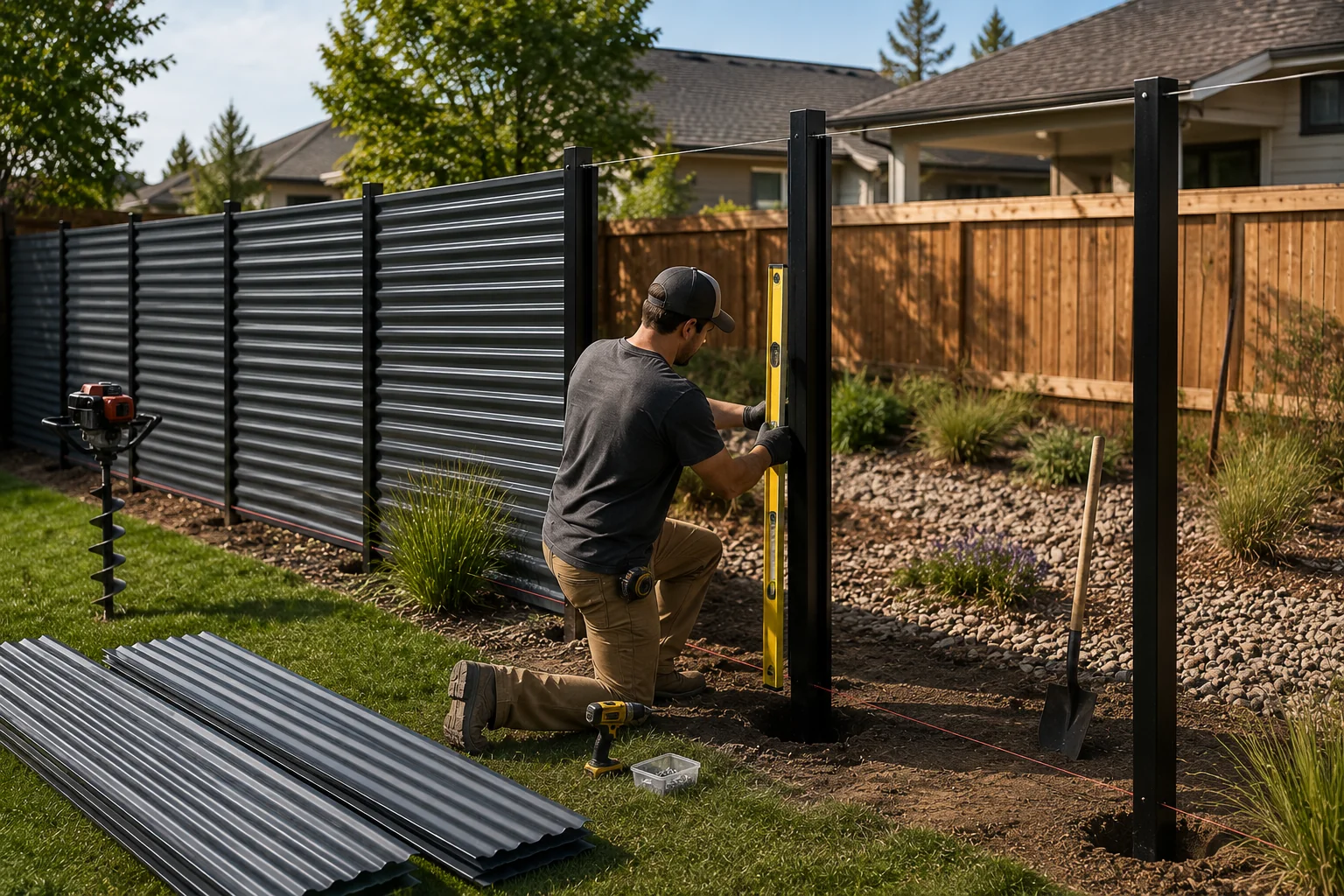
Installing a fence is one of the most valuable upgrades you can make to your property. Whether you’re looking to improve privacy, increase security, keep pets safe, or enhance curb appeal, a well-installed fence delivers long-term benefits. For many homeowners, however, the process can seem overwhelming, from choosing the right material to understanding local regulations and finding a reliable residential fence company.
This guide walks first-time homeowners through everything they need to know about residential fence installation, helping you make informed decisions and avoid costly mistakes.
Why Install a Residential Fence?
A fence does much more than define your property line. It can improve both the functionality and appearance of your home.
Some of the biggest benefits include:
- Enhanced privacy from neighbors
- Increased security for your family
- Safe outdoor space for children and pets
- Improved curb appeal
- Higher property value
- Better noise reduction in some locations
- Clear property boundaries
Choosing the right fence ensures you’ll enjoy these benefits for many years.
Step 1: Determine the Purpose of Your Fence
Before selecting materials or styles, ask yourself why you need a fence.
Privacy
Solid wood or vinyl privacy fences block visibility and create a secluded backyard.
Security
Metal, aluminum, steel, or tall wooden fences provide better protection against unwanted visitors.
Pet Containment
Choose a fence with minimal gaps and sufficient height to prevent pets from escaping.
Decorative Appeal
Picket fences, ornamental aluminum fencing, or horizontal wood fences add visual interest without completely enclosing the yard.
Pool Safety
Many municipalities require fences that meet specific height and gate requirements around swimming pools.
Knowing your primary goal makes it much easier to select the ideal fence.
Step 2: Understand Local Regulations
One of the biggest mistakes first-time homeowners make is skipping permit requirements.
Before installation, check:
- Local zoning regulations
- HOA guidelines
- Property setback requirements
- Maximum fence height
- Pool safety regulations
- Utility easements
Ignoring these rules could result in fines or require you to remove the fence after installation.
Step 3: Confirm Your Property Lines
Never assume your existing yard boundaries are accurate.
Consider:
- Reviewing your property survey
- Hiring a professional surveyor if necessary
- Discussing plans with neighbors
- Identifying shared property lines
Installing a fence on the wrong property can lead to expensive legal disputes.
Step 4: Choose the Right Fence Material
Different materials offer different advantages.
Wood Fencing
Pros
- Natural appearance
- Affordable upfront
- Highly customizable
- Excellent privacy
Cons
- Requires regular staining or sealing
- Can warp or rot over time
Best for:
- Privacy
- Traditional homes
- Large backyards
Vinyl Fencing
Pros
- Low maintenance
- Doesn’t rot or rust
- Long lifespan
- Easy to clean
Cons
- Higher initial cost
- Limited customization compared to wood
Best for:
- Busy homeowners
- Privacy
- Modern neighborhoods
Aluminum Fencing
Pros
- Rust resistant
- Elegant appearance
- Minimal maintenance
Cons
- Doesn’t provide privacy
- Less suitable for containing very small pets
Best for:
- Front yards
- Decorative boundaries
- Pools
Chain Link Fencing
Pros
- Budget-friendly
- Durable
- Fast installation
Cons
- Minimal privacy
- Less attractive appearance
Best for:
- Pet containment
- Large properties
- Utility areas
Composite Fencing
Pros
- Wood-like appearance
- Low maintenance
- Resistant to insects and moisture
Cons
- Higher purchase price
Best for:
- Long-term investment
- Premium landscaping
Step 5: Select the Right Fence Style
Popular residential fence styles include:
Privacy Fence
Perfect for backyards and families wanting complete privacy.
Picket Fence
Classic style that enhances curb appeal.
Horizontal Fence
Modern design with clean lines.
Split Rail Fence
Ideal for larger rural properties.
Shadowbox Fence
Offers privacy while allowing airflow.
Lattice Top Fence
Combines privacy with decorative appeal.
Step 6: Decide on Fence Height
Typical residential fence heights include:
| Fence Purpose | Recommended Height |
| Decorative front yard | 3–4 feet |
| Privacy | 6–8 feet |
| Pet containment | 4–6 feet |
| Pool enclosure | Per local code |
| Security | 6–8 feet |
Always verify height restrictions with your local municipality.
Step 7: Prepare Your Yard
Before installation:
- Remove rocks and debris
- Trim overgrown vegetation
- Mark sprinkler systems
- Identify underground utility lines
- Ensure easy equipment access
Many utility companies provide free underground utility marking before digging.
Step 8: Professional Installation vs DIY
Many homeowners wonder whether they should install the fence themselves.
DIY Installation
Suitable if you:
- Have construction experience
- Own the necessary tools
- Have a simple property layout
- Have enough time
Advantages
- Lower labor costs
- Personal satisfaction
Challenges
- Time-consuming
- Greater chance of installation errors
- Difficult on uneven terrain
Hiring a Residential Fence Company
Professional installers provide:
- Accurate measurements
- Permit assistance
- Proper post installation
- High-quality workmanship
- Faster project completion
- Manufacturer warranties
For most first-time homeowners, professional installation offers better long-term value and fewer headaches.
Step 9: Know the Installation Process
A typical fence installation follows these steps:
- Property measurement
- Design planning
- Permit approval
- Utility marking
- Post hole digging
- Setting fence posts in concrete
- Installing rails
- Attaching panels or pickets
- Installing gates
- Final inspection and cleanup
Most residential projects are completed within one to three days, depending on the property’s size and complexity.
Common Mistakes First-Time Homeowners Should Avoid
Avoid these common issues:
- Not checking property boundaries
- Ignoring permit requirements
- Choosing the wrong material
- Focusing only on price
- Forgetting long-term maintenance
- Installing without checking underground utilities
- Hiring inexperienced contractors
- Choosing a fence that doesn’t match your home’s style
Planning ahead can save both time and money.
Fence Maintenance Tips
Proper maintenance extends your fence’s lifespan.
Wood
- Seal or stain every 2–3 years
- Inspect for rot and insect damage
- Replace damaged boards promptly
Vinyl
- Wash with mild soap and water
- Check for loose posts
Aluminum
- Inspect hardware annually
- Remove dirt buildup
Chain Link
- Check for rust
- Tighten loose sections
Regular maintenance helps keep your fence looking great and functioning properly.
How Much Does Residential Fence Installation Cost?
Fence installation costs vary depending on:
- Material type
- Fence height
- Property size
- Gate installation
- Labor costs
- Terrain conditions
- Permit fees
While budget is important, choosing quality materials and professional installation often reduces future repair expenses.
Questions to Ask Before Hiring a Fence Contractor
Before signing a contract, ask:
- Are you licensed and insured?
- How many years of experience do you have?
- Can you provide references?
- What warranties do you offer?
- Who handles permits?
- What is the estimated project timeline?
- Will you remove the old fence?
- What maintenance is required?
Clear communication helps ensure a smooth installation process.
Final Thoughts
Installing your first residential fence is a significant investment that can improve your home’s privacy, security, and overall value. By understanding local regulations, selecting the right materials, preparing your property, and working with experienced professionals, you can avoid common pitfalls and enjoy a fence that lasts for years.
If you’re looking for expert guidance and professional craftsmanship, SuperFenceCo can help simplify the process. From choosing the ideal fence style to ensuring a high-quality installation, working with an experienced team makes your first residential fencing project a smooth and rewarding experience.
