


Body contouring has become one of the most popular non-invasive cosmetic treatments in recent years. Many people are looking for alternatives to surgical fat reduction procedures that require downtime, anesthesia, and lengthy recovery periods. Ultrasonic cavitation has emerged as one of the leading technologies that offers a non-surgical approach to reducing stubborn fat deposits.
Whether used in professional beauty clinics or advanced aesthetic centers, ultrasonic cavitation technology continues to gain attention for its ability to complement healthy lifestyle habits. Understanding how the technology works, who it is suitable for, and what results can realistically be expected is essential before considering treatment or selecting equipment.
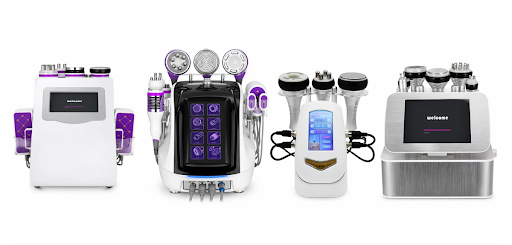
For anyone researching a professional ultrasonic cavitation machine uk, it is important to understand the science behind ultrasonic cavitation, its applications, treatment process, and the factors that distinguish professional-grade systems from basic consumer devices.
What Is Ultrasonic Cavitation?
Ultrasonic cavitation is a non-invasive cosmetic treatment that uses low-frequency ultrasound waves to target localized fat deposits beneath the skin. The sound waves create microscopic bubbles within fat tissue. These bubbles gradually destabilize fat cells, allowing the body’s natural metabolic processes to remove the released contents over time.
Unlike surgical fat removal procedures, ultrasonic cavitation does not involve incisions, needles, or general anesthesia. Instead, it focuses on areas where stubborn fat may remain despite regular exercise and a balanced diet.
Common treatment areas include:
- Abdomen
- Waist
- Hips
- Thighs
- Upper arms
- Back
- Buttocks
The treatment is designed for body contouring rather than significant weight loss.
How Does Ultrasonic Cavitation Work?
The treatment relies on ultrasound energy rather than heat or surgery. During a session, a handheld applicator delivers controlled ultrasonic waves into targeted tissue.
Step 1: Ultrasound Penetration
The ultrasonic waves pass through the skin without damaging its surface.
Step 2: Fat Cell Disruption
The energy creates pressure changes inside fat tissue, forming microscopic bubbles. These bubbles weaken fat cell membranes.
Step 3: Natural Elimination
The body’s lymphatic and metabolic systems gradually process and eliminate the released fat over several days or weeks.
Because the body performs the removal naturally, hydration and regular physical activity often play an important role after treatment.
Who Can Benefit from Ultrasonic Cavitation?
Ultrasonic cavitation is generally intended for individuals who are already close to their ideal body weight but struggle with localized fat deposits.
It may be suitable for people who:
- Maintain a healthy lifestyle
- Exercise regularly
- Have stubborn fat pockets
- Prefer non-surgical procedures
- Want minimal recovery time
It is not considered a replacement for weight-loss programs or bariatric treatments.
Professional vs Home Cavitation Machines
Not all ultrasonic cavitation devices deliver the same performance. Professional equipment typically offers greater precision, stronger energy output, and more treatment options.
Professional Systems
Professional machines often include:
- Higher-powered ultrasound technology
- Adjustable treatment settings
- Multiple treatment handpieces
- Improved safety controls
- Consistent energy delivery
- Better durability
These machines are commonly used in beauty clinics and aesthetic practices.
Home Devices
Consumer models usually provide:
- Lower power output
- Simpler controls
- Smaller treatment heads
- Reduced treatment intensity
- Longer treatment periods
While home devices may be convenient, they generally cannot match the performance of professional equipment.
Common Treatment Areas
Different parts of the body respond differently depending on fat distribution.
Abdomen
The stomach is one of the most requested treatment areas because localized fat often remains despite exercise.
Love Handles
The waist can be difficult to tone through exercise alone, making it another popular treatment location.
Thighs
Both inner and outer thighs may benefit from body contouring treatments.
Upper Arms
Some individuals seek treatment to reduce excess fat around the upper arms.
Back
Back fat around the bra line or lower back is another commonly treated area.
What Happens During a Treatment Session?
A typical ultrasonic cavitation appointment follows several straightforward steps.
Consultation
The practitioner evaluates:
- Medical history
- Body composition
- Treatment goals
- Suitable treatment areas
Preparation
The treatment area is cleaned, and conductive gel is applied to improve ultrasound transmission.
Treatment
The handheld applicator moves continuously over the selected area using slow circular motions.
Patients often hear a high-pitched ringing sound due to the ultrasonic frequencies, although this is generally considered normal.
Aftercare
Most individuals return to daily activities immediately after treatment.
Practitioners often recommend:
- Drinking plenty of water
- Light physical exercise
- Healthy eating habits
- Avoiding excessive alcohol
Expected Results
Results vary depending on several factors, including:
- Body composition
- Lifestyle habits
- Metabolism
- Treatment frequency
- Hydration
Most treatment plans involve multiple sessions rather than a single appointment.
Visible improvements often develop gradually as the body naturally processes the disrupted fat cells.
Consistency usually produces better outcomes than isolated treatments.
Benefits of Ultrasonic Cavitation
Many people choose ultrasonic cavitation because it offers several practical advantages.
Non-Surgical
No incisions or stitches are required.
Minimal Downtime
Most people return to normal activities immediately.
Comfortable Procedure
Many individuals describe the treatment as relaxing with little discomfort.
Targeted Body Contouring
Specific areas can be treated without affecting surrounding tissues.
No General Anesthesia
Unlike surgery, anesthesia is not usually necessary.
Safety Considerations
Ultrasonic cavitation is generally considered safe when performed correctly using suitable equipment and proper protocols.
However, treatment may not be appropriate for everyone.
Individuals should seek professional advice if they have:
- Pregnancy
- Pacemakers
- Serious liver disease
- Kidney disorders
- Metal implants near treatment areas
- Active infections
- Certain cardiovascular conditions
A thorough consultation helps determine suitability before beginning treatment.
Features of Professional Cavitation Machines
Professional equipment includes several features designed to improve precision and treatment flexibility.
Adjustable Energy Levels
Different body areas may require different intensity settings.
Multiple Applicators
Some systems include handpieces designed for:
- Large body areas
- Smaller treatment zones
- Facial treatments
- Radio frequency
- Vacuum therapy
Digital Controls
Modern machines often feature touchscreen interfaces that simplify treatment customization.
Built-In Safety Functions
Professional equipment frequently includes automatic monitoring systems to maintain consistent operation.
Combining Cavitation with Other Treatments
Many aesthetic practitioners combine ultrasonic cavitation with complementary technologies.
Examples include:
- Radio frequency skin tightening
- Vacuum therapy
- Lymphatic drainage
- LED therapy
- Body massage treatments
Combining treatments may help improve overall body contouring results while addressing skin firmness and circulation.
Lifestyle Factors That Influence Results
Ultrasonic cavitation works best when supported by healthy daily habits.
Helpful lifestyle practices include:
- Drinking enough water
- Eating balanced meals
- Exercising regularly
- Maintaining stable body weight
- Sleeping adequately
- Limiting processed foods
These habits assist the body’s natural metabolic functions during the post-treatment period.
Choosing the Right Professional Machine
When evaluating professional ultrasonic cavitation equipment, several factors deserve attention.
Treatment Versatility
Machines offering multiple technologies may support a wider variety of services.
Build Quality
Durable construction contributes to long-term reliability.
User Interface
Simple controls improve efficiency during treatments.
Adjustable Settings
Customizable parameters allow treatments to suit different clients and body areas.
Maintenance Requirements
Easy cleaning and servicing contribute to consistent performance.
Common Misconceptions About Ultrasonic Cavitation
Myth 1: It Causes Instant Weight Loss
Ultrasonic cavitation focuses on localized body contouring rather than rapid weight reduction.
Myth 2: One Session Is Enough
Most individuals require several sessions to achieve noticeable improvements.
Myth 3: It Replaces Exercise
Healthy nutrition and physical activity remain important for maintaining long-term results.
Myth 4: It Is Surgery
The procedure is completely non-invasive and does not require surgical incisions.
Conclusion
Ultrasonic cavitation has become an important option within modern non-invasive body contouring. By using focused ultrasound technology, it targets stubborn fat deposits without surgery or extended recovery periods. Although results vary between individuals, realistic expectations, healthy lifestyle choices, and professional guidance contribute significantly to overall outcomes.
Anyone exploring a professional ultrasonic cavitation machine uk should focus on understanding treatment technology, safety features, equipment quality, and intended clinical applications before making an informed decision.
FAQs
1. How many ultrasonic cavitation sessions are usually needed?
Most treatment plans involve between six and ten sessions, depending on the treatment area, body composition, and desired outcome. Sessions are typically scheduled several days apart to allow the body enough time to naturally process the released fat before the next appointment.
2. Is ultrasonic cavitation painful?
Ultrasonic cavitation is generally considered a comfortable procedure. Most individuals experience only mild warmth or slight vibrations during treatment. Some people hear a high-pitched ringing sound caused by the ultrasound frequency, but significant discomfort is uncommon when performed correctly.
3. Can ultrasonic cavitation help with weight loss?
Ultrasonic cavitation is designed for body contouring rather than overall weight reduction. It targets localized fat deposits that may remain despite regular exercise and healthy eating. Maintaining a balanced lifestyle is still essential for achieving and preserving long-term body composition goals.
4. Are there any side effects after treatment?
Temporary redness, mild warmth, or slight tenderness may occur immediately after treatment but usually resolve quickly. Staying well hydrated, engaging in light physical activity, and following recommended aftercare instructions can help support the body’s natural elimination processes and overall recovery.
5. Who should avoid ultrasonic cavitation treatments?
People who are pregnant, have pacemakers, severe liver or kidney conditions, certain cardiovascular disorders, active infections, or metal implants near the treatment area should seek medical advice before considering ultrasonic cavitation. A professional consultation helps determine whether the treatment is appropriate for individual circumstances.
