


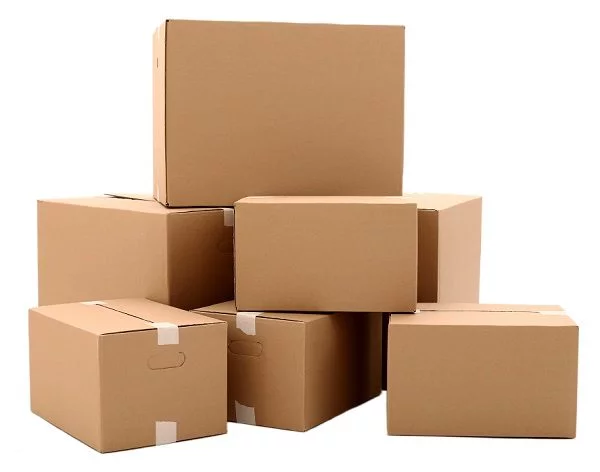
Choosing the right shipping boxes is one of the most important decisions when preparing products for delivery. The right box protects your items from damage, reduces shipping costs, improves customer satisfaction, and creates a more professional unboxing experience. On the other hand, using the wrong box can lead to crushed products, excessive shipping charges, and costly returns.
Whether you’re shipping clothing, electronics, books, fragile glassware, or industrial equipment, selecting the appropriate shipping box ensures your products arrive safely and securely. In this guide, we’ll explain how to choose the best shipping boxes for different types of products and what factors you should consider before packing.
Why Choosing the Right Shipping Box Matters
A shipping box does much more than simply hold your product.
The right packaging helps:
- Protect items during transit
- Reduce shipping damage
- Lower packaging costs
- Minimize dimensional weight charges
- Improve customer satisfaction
- Enhance your brand’s presentation
Using a properly sized, appropriately strong box is one of the easiest ways to reduce shipping problems.
Consider the Product’s Size
The first step is measuring your product accurately.
Measure:
- Length
- Width
- Height
Don’t forget to account for any protective materials you’ll add, such as bubble wrap or foam inserts.
A good rule is to leave enough room for cushioning while avoiding excessive empty space inside the box. Oversized boxes can allow products to shift during transit and may increase shipping costs.
Consider Product Weight
Weight plays a major role in selecting the correct shipping box.
Lightweight Products
Suitable examples include:
- Clothing
- Books
- Office supplies
- Toys
- Small household goods
Single-wall corrugated shipping boxes are often sufficient for these products.
Heavy Products
Examples include:
- Power tools
- Automotive parts
- Small appliances
- Bulk inventory
Heavier items typically require stronger double-wall or heavy-duty corrugated boxes for added protection.
Think About Product Fragility
Fragile items require more than just a sturdy box.
Products such as:
- Glassware
- Ceramics
- Electronics
- Collectibles
- Decorative items
should be packed using cushioning materials like:
- Bubble wrap
- Foam inserts
- Packing paper
- Air pillows
Choosing a slightly larger box allows room for this protective padding while reducing the risk of damage.
Match the Box Strength to the Product
Corrugated shipping boxes are available in different strength ratings.
Common options include:
Single-Wall Boxes
Best for:
- Lightweight products
- Everyday eCommerce shipments
- Soft goods
Double-Wall Boxes
Ideal for:
- Fragile products
- Heavy merchandise
- Long-distance shipping
Heavy-Duty Boxes
Recommended for:
- Industrial equipment
- Machinery parts
- Large appliances
- High-value shipments
Using a box with the appropriate strength helps prevent crushing during storage and transportation.
Choose the Right Box for Different Products
Clothing and Apparel
Clothing usually doesn’t require heavy-duty packaging.
Good choices include:
- Small shipping boxes
- Mailer boxes
- Poly mailers (for soft garments)
Boxes are often preferred for premium apparel or multiple-item orders.
Books
Books are surprisingly heavy for their size.
Choose:
- Snug-fitting corrugated boxes
- Reinforced corners when shipping multiple books
- Proper cushioning to prevent movement
Avoid oversized boxes that allow books to shift.
Electronics
Electronic devices require extra protection.
Use:
- Double-wall boxes
- Foam inserts
- Anti-static packaging where appropriate
- Bubble wrap
Proper cushioning helps absorb shocks during shipping.
Glassware and Ceramics
Fragile items need maximum protection.
Choose:
- Strong corrugated boxes
- Plenty of cushioning material
- Dividers for multiple pieces
Never allow glass items to touch each other inside the box.
Home Décor
Items such as:
- Picture frames
- Decorative accessories
- Candles
- Small sculptures
benefit from sturdy boxes combined with protective wrapping.
Industrial Products
Heavy machinery parts and tools require:
- Heavy-duty shipping boxes
- Reinforced tape
- High-strength corrugated construction
The packaging should support both the weight and handling conditions.
Avoid Oversized Boxes
Many people assume bigger is better.
In reality, oversized boxes can:
- Increase shipping costs
- Require more packing material
- Allow products to move
- Raise the risk of damage
Choosing the smallest practical box that still accommodates protective cushioning is usually the best approach.
Consider Shipping Distance
Products shipped locally may experience less handling than those traveling across the country or internationally.
For longer shipping distances, consider:
- Stronger boxes
- Extra cushioning
- Heavy-duty tape
- Reinforced packaging
Additional protection helps compensate for repeated handling throughout the shipping process.
Don’t Forget the Unboxing Experience
Packaging also reflects your brand.
Professional shipping boxes help create a positive customer impression.
Consider adding:
- Branded tape
- Thank-you cards
- Tissue paper
- Custom inserts
- Company stickers
Simple branding touches can enhance the overall customer experience.
Use Quality Packing Materials
Even the strongest shipping box benefits from proper cushioning.
Common packing materials include:
- Bubble wrap
- Packing paper
- Foam sheets
- Air pillows
- Corrugated inserts
These materials reduce movement and absorb impacts during transit.
Seal Boxes Properly
A quality box still needs proper sealing.
Use durable packing tape on:
- Top seams
- Bottom seams
- Side openings when necessary
For heavier shipments, applying tape in an “H” pattern across the flaps provides additional security.
Common Mistakes to Avoid
When selecting shipping boxes, avoid:
- Choosing boxes that are too large
- Using weak boxes for heavy products
- Skipping protective cushioning
- Reusing damaged boxes
- Ignoring weight and fragility
- Using insufficient packing tape
Careful packaging reduces the likelihood of damaged shipments and returns.
Are Shipping Boxes Worth Investing In?
Absolutely.
High-quality shipping boxes provide:
- Better product protection
- Lower replacement costs
- Fewer returns
- Professional presentation
- Improved customer satisfaction
- Long-term savings
Although premium boxes may cost slightly more upfront, they often reduce overall shipping expenses by preventing product damage and improving packing efficiency.
Conclusion
Choosing the right shipping boxes starts with understanding your product’s size, weight, fragility, and shipping requirements. From lightweight clothing and books to delicate electronics and heavy industrial equipment, every product benefits from packaging that’s properly sized, strong enough for the load, and paired with the right protective materials. Investing in the correct shipping box not only protects your products but also reduces shipping costs, minimizes returns, and creates a better experience for your customers.
If you’re looking for dependable shipping boxes for a wide range of applications, StarBoxes offers durable packaging solutions in various sizes and strengths to meet your shipping needs. Whether you’re running an eCommerce business, packing warehouse inventory, or sending personal shipments, StarBoxes provides reliable boxes designed to help your products arrive safely and professionally.
