


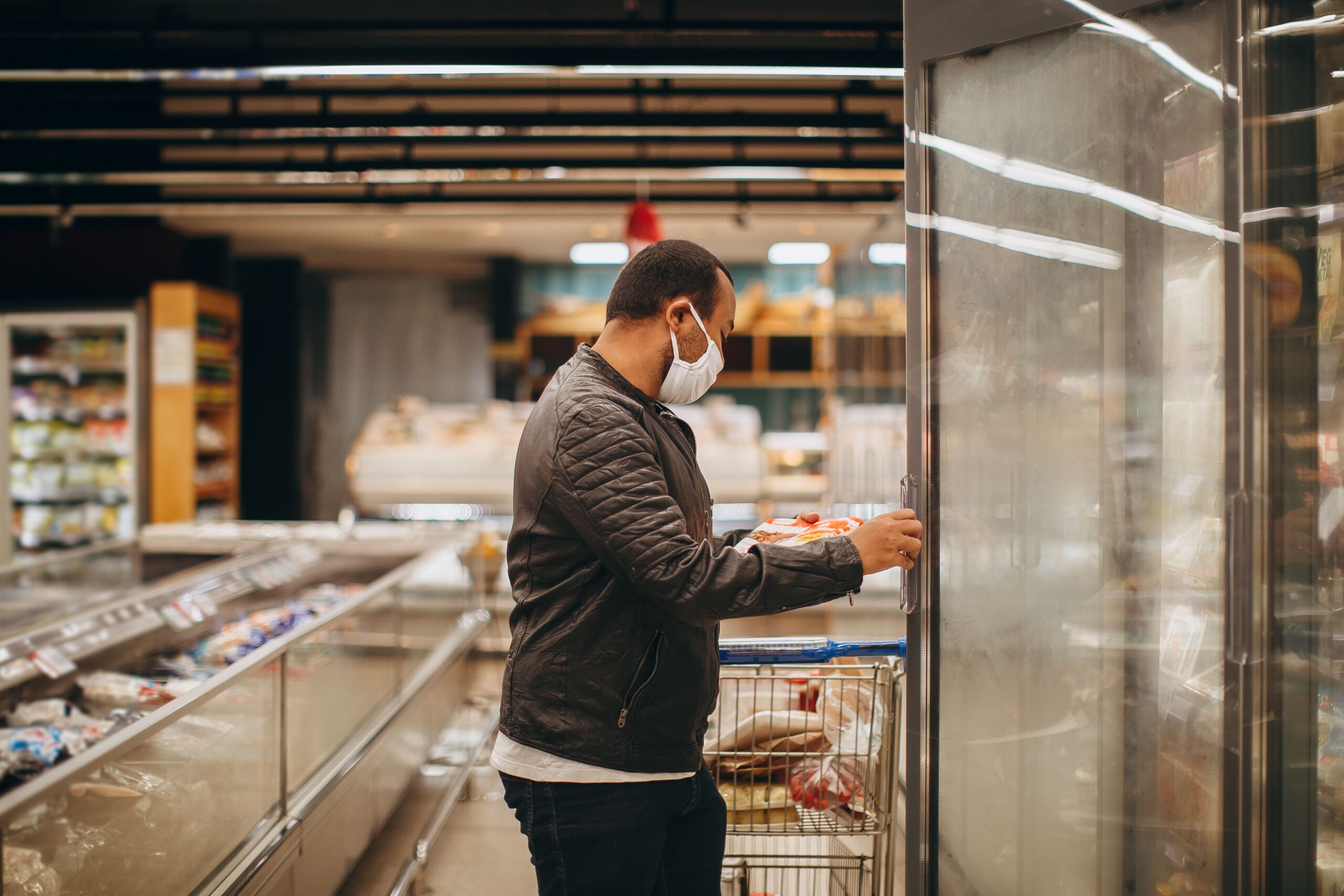
Running a grocery store or supermarket means keeping refrigeration units powered every second of the day. Utility bills represent one of the largest ongoing expenses for any retail food operation. Investing in durable components ensures these heavy-duty cooling units operate at peak performance without draining operational budgets.
Maintaining Tight Seals to Stop Cold Air Leaks
Refrigerated cases rely on thick rubber gaskets and insulated glass doors to lock freezing air inside the cabinet. Over time, constant daily use causes these flexible seals to crack, warp, or split along the edges. When room-temperature store air leaks into the case, the internal cooling system must work overtime to keep produce cold.
Replacing worn door gaskets instantly restores a tight thermal barrier around the entire perimeter of the opening. Keeping the frigid air inside allows the cooling compressors to cycle off normally throughout the day. This simple fix prevents unnecessary power spikes while keeping inventory at safe, stable temperatures. Routine replacement also reduces unnecessary wear on the compressor motor, helping extend the overall lifespan of the refrigeration unit.
Upgrading Internal Fans for Better Airflow Efficiency
Air circulation plays a massive role in how efficiently a commercial cooler maintains its target internal temperature. Older fan motors often draw excessive electricity while failing to push air evenly across the display shelves. When airflow gets blocked or slows down, warm spots form inside the case and ruin fresh food fast. Replacing these aging motors with modern, balanced fan assemblies ensures consistent temperatures from the top shelf to the bottom deck.
Modern high-efficiency fan motors move large volumes of air while consuming only a fraction of traditional electrical wattage. These upgraded components keep cold air circulating steadily through every shelf and corner of the unit. Reliable airflow prevents ice buildup on internal cooling coils, which eliminates the need for frequent energy-draining defrost cycles.
Preserving Frame Bumper Protection to Guard Against Structural Gaps
Shopping carts and stocking carts constantly bump into the lower base of aisle display units throughout business hours. Without sturdy protective bumpers, these daily impacts gradually warp the metal framing and misalign the cabinet doors. Misaligned doors create hidden gaps that allow cold air to spill out continuously onto the store floor.
Installing heavy-duty protective trim absorbs these repeated impacts and shields the underlying cabinet structure from costly damage. Keeping the outer frame straight ensures glass doors close flush against the main body every single time.
Outfitting commercial cabinets with durable CaseTrim components demonstrates how proper outer protection preserves structural integrity. Maintaining a straight frame ultimately yields maximum energy savings and prevents costly cabinet repairs. Investing in robust exterior armor safeguards your equipment against everyday store wear and tear.
Optimizing LED Lighting Systems to Reduce Internal Heat Loads
Traditional fluorescent lights inside display cases generate a surprising amount of thermal energy alongside their illumination. The cooling compressor must expend extra electrical energy just to neutralize the heat produced by those overhead bulbs. This hidden energy penalty quietly inflates monthly power bills month after month across every aisle.
Upgrading to modern LED strip lighting solves both issues simultaneously by illuminating products brightly without generating heat. LEDs draw significantly less power from the wall while reducing the thermal load inside the refrigerated compartment. Store managers enjoy crisp product visibility while watching their daily refrigeration energy demands drop noticeably. Lowering internal heat output also reduces stress on sensitive cooling coils, further boosting overall system reliability.
Conducting Routine Component Inspections to Prevent Sudden System Strain
Waiting for a cooling unit to break down completely always costs far more than proactive equipment care. Small mechanical issues, like a slipping fan belt or loose hinge, force the entire refrigeration system to work harder. Overworked equipment draws excessive electric current, leading to sudden utility bill spikes and premature motor failure. Addressing these minor mechanical issues promptly prevents costly emergency service calls and keeps operating costs predictable.
Regular visual checks allow technicians to spot worn components long before a catastrophic system breakdown occurs. Swapping out failing hardware promptly keeps the equipment operating smoothly within its designed energy parameters. Consistent upkeep protects sensitive grocery inventory while extending the operational life of expensive store hardware.
Conclusion
Managing retail utility costs requires constant attention to the small mechanical details that drive daily energy usage.Replacing worn seals along with upgrading internal lighting keeps commercial cooling units running efficiently while protecting proper outer trim. Prioritizing quality hardware maintenance protects store profits while ensuring food products remain fresh and safe for customers.
