


If you’ve ever watched a race car hug corners at unbelievable speeds, you’ve already seen the magic of slick tires in action. Unlike regular road tires, slicks are purpose-built for one thing: delivering maximum grip on dry surfaces. But what exactly makes them so effective? The answer lies in a fascinating mix of physics, chemistry, and engineering.
Let’s break down how racing slicks work and why they’re the ultimate choice for performance driving.
What Are Racing Slicks?
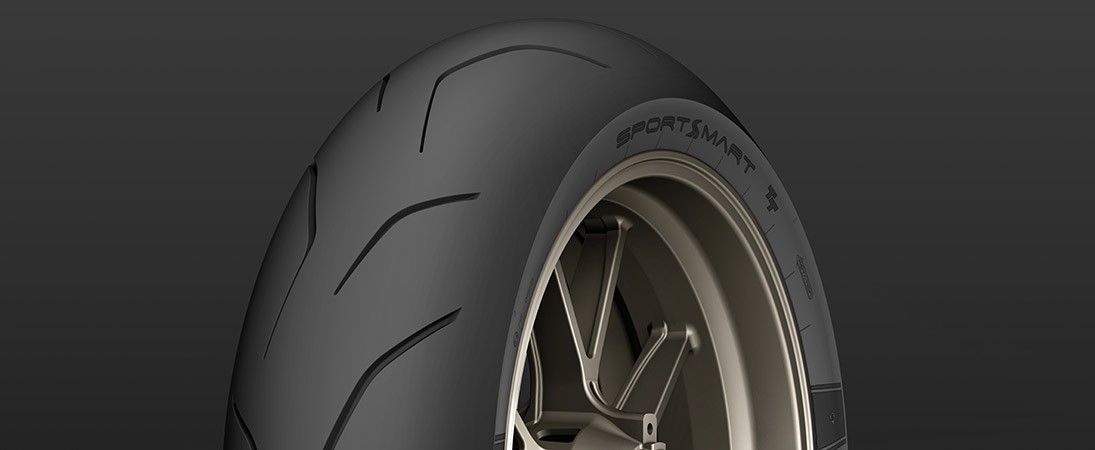
Racing slicks are tires with a completely smooth tread surface—no grooves, no patterns, just pure rubber. While that might seem counterintuitive (since we’re used to tread providing grip), in dry racing conditions, the absence of tread is exactly what maximizes performance.
These tires are commonly used in motorsports like Formula racing, circuit racing, and track days where dry grip is critical.
The Core Principle: Contact Patch
At the heart of slick tire performance is something called the contact patch—the area of the tire that actually touches the road.
With no tread blocks or grooves interrupting the surface, slick tires provide:
- A larger contact patch
- More rubber in direct contact with the track
- Better distribution of forces
This increased surface area allows for higher friction between the tire and the road, which directly translates to better grip.
Friction: The Real Source of Grip
Grip isn’t just about sticking to the road—it’s about managing friction effectively. Slick tires rely on two types of friction:
1. Adhesive Friction
This occurs at a microscopic level where the rubber bonds with the road surface. Racing slicks use soft rubber compounds that enhance this “stickiness.”
2. Hysteresis Friction
This comes from the tire deforming as it rolls over tiny imperfections in the track. The energy lost during this deformation increases grip.
Together, these friction forces allow slick tires to generate extreme levels of traction, especially during cornering and braking.
The Role of Rubber Compounds
Not all slick tires are created equal. One of the biggest factors affecting performance is the rubber compound.
Softer Compounds
- Heat up quickly
- Provide maximum grip
- Wear out faster
Harder Compounds
- Last longer
- Offer consistent performance
- Provide slightly less grip
Racing teams choose compounds based on track conditions, temperature, and race strategy. The goal is to balance grip with durability.
Temperature: Why Heat Matters
Slick tires are highly temperature-sensitive. They are designed to operate within an optimal temperature range, often between 80°C and 120°C.
When they reach this range:
- The rubber becomes more flexible
- Adhesion improves
- Grip increases significantly
If the tires are too cold, they won’t grip well. If they overheat, they can become greasy and lose performance. That’s why tire warmers and careful race management are crucial.
No Tread = No Water Handling
One major limitation of slick tires is their inability to handle water.
Since they lack grooves:
- Water cannot be channeled away
- A thin layer of water builds up
- This leads to aquaplaning, where the tire loses contact with the road
This is why slick tires are strictly used in dry conditions. In wet races, drivers switch to intermediate or wet tires with deep grooves.
Sidewall Construction and Stiffness
Grip isn’t just about the tread surface—the tire’s structure also plays a huge role.
Racing slicks feature:
- Stiffer sidewalls for better cornering stability
- Reinforced construction to handle high speeds and forces
- Minimal flex to maintain consistent contact with the track
This allows drivers to push harder into corners without losing control.
Slip Angle: Controlled Sliding
Interestingly, maximum grip doesn’t happen when the tire is perfectly aligned with the direction of travel.
Instead, slick tires perform best at a slight slip angle—a small degree of controlled sliding. This:
- Maximizes lateral grip
- Helps the tire “bite” into the track
- Improves cornering performance
Professional drivers constantly manage this balance to extract peak performance.
Tire Pressure: Fine-Tuning Performance
Even small changes in tire pressure can dramatically affect how slick tires behave.
Lower Pressure
- Increases contact patch
- Improves grip
- Can cause overheating if too low
Higher Pressure
- Reduces rolling resistance
- Improves straight-line speed
- Decreases grip
Teams carefully adjust pressure based on track conditions and driving style.
Why Slick Tires Are So Effective
To sum it up, slick tires deliver unmatched performance because they:
- Maximize contact with the road
- Use specialized rubber compounds for high friction
- Operate at optimal temperatures for peak grip
- Maintain structural rigidity for precise handling
All these factors work together to create the incredible cornering speeds and braking performance seen in motorsports.
Final Thoughts
Racing slicks are a perfect example of engineering focused on a single goal: performance. By removing tread and optimizing every aspect of design—from rubber chemistry to tire structure—engineers have created a tire that pushes the limits of what’s physically possible on a race track.
However, their effectiveness comes with trade-offs. Slick tires are highly specialized tools, built exclusively for dry conditions and high-performance environments. Outside of that context, they simply don’t work.
Understanding the science behind slick tires not only gives you a deeper appreciation for motorsports but also highlights how much precision goes into every lap on the track.
