


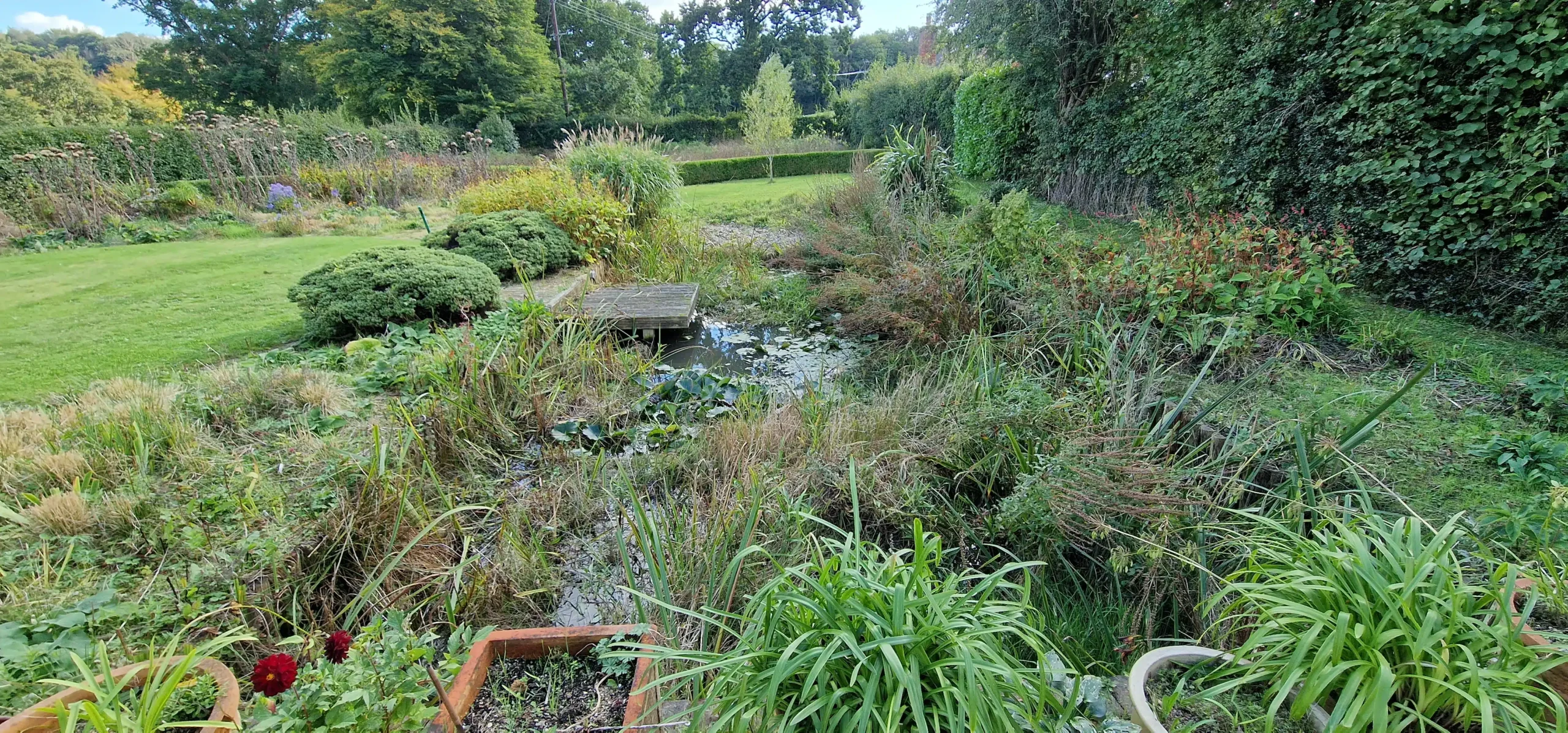
A pond can be a beautiful focal point in any garden, but the right plants can take its appearance to the next level. Marginal plants grow in shallow water or in consistently moist soil around the edges of a pond, creating a natural transition between the water and the surrounding landscape. They also provide shelter for wildlife, improve visual appeal, and introduce different colors, shapes, and textures.
If you’re looking for Marginal Pond Plants That Add Color, Texture, and Life to Your Pond, there are plenty of attractive options to consider. From vibrant flowers to elegant grasses and lush foliage, marginal plants can transform an ordinary pond edge into a lively and inviting environment.
What Are Marginal Pond Plants?
Marginal pond plants are plants that naturally thrive around the edges of ponds, streams, and other water features. Unlike fully aquatic plants that grow beneath the water, marginal plants typically prefer shallow water with their roots submerged while most of the foliage remains above the surface.
These plants are particularly useful for softening the edges of a pond and creating a more natural appearance. They can also offer important habitat for insects, frogs, birds, and other small wildlife.
Benefits of Marginal Pond Plants
Adding marginal plants to your pond is about more than simply improving its appearance. These plants can provide several practical and ecological benefits.
Add Color and Visual Interest
Many marginal plants produce beautiful flowers in shades of yellow, purple, pink, white, and blue. Others offer colorful foliage that remains attractive throughout much of the growing season.
Combining plants with different bloom times can help ensure that your pond has something interesting to see from spring through autumn.
Create Texture and Depth
Marginal plants come in many forms, from tall upright stems to soft grasses and broad leaves. Mixing different shapes and textures can give your pond a layered appearance.
Tall plants can create a dramatic backdrop, while low-growing varieties can soften the foreground. This combination makes the pond look fuller without overwhelming the water surface.
Support Pond Wildlife
Plants around a pond provide valuable shelter and habitat. Frogs can hide among dense foliage, insects can use flowers as food sources, and birds may visit the area to find insects or drink water.
A well-planted pond edge can therefore become a small ecosystem that attracts a surprising variety of wildlife.
Popular Marginal Plants to Consider
Choosing the right plants depends on your pond’s size, sunlight, climate, and the amount of moisture available around the edges. Here are some popular choices.
Cattails
Cattails are recognizable for their tall, upright growth and distinctive brown flower spikes. They can give larger ponds a natural, wild appearance while providing shelter for wildlife.
However, cattails can spread quickly, so they are best planted where their growth can be controlled.
Water Iris
Water iris is a popular choice for adding height and color to pond edges. Its attractive flowers can provide a striking contrast against green foliage and reflective water.
These plants work particularly well when planted in groups along a sunny pond margin.
Pickerelweed
Pickerelweed is valued for its attractive purple-blue flower spikes and glossy green leaves. It can add a strong splash of color while also providing useful habitat for pollinators and aquatic wildlife.
Its upright growth makes it a good choice for creating visual structure around the pond.
Marsh Marigold
For a cheerful burst of color, marsh marigold is an excellent option. Its bright yellow flowers can appear early in the growing season, helping bring life and color to the pond when many other plants are just beginning to grow.
It prefers consistently moist conditions and works particularly well along natural-looking pond edges.
Rushes and Sedges
Rushes and sedges are excellent for adding texture and movement. Their narrow leaves and upright forms can complement plants with larger leaves and colorful flowers.
They are especially useful when you want a pond landscape that feels natural rather than overly formal.
How to Arrange Marginal Plants Around Your Pond
Good planting design can make a significant difference to the overall appearance of your water feature. Instead of planting every variety evenly around the pond, consider creating groups of different heights and textures.
Place taller plants toward the back or in areas where they won’t block your view of the water. Medium-sized flowering plants can occupy the middle layer, while shorter varieties can soften the front edge.
When selecting Marginal Pond Plants That Add Color, Texture, and Life to Your Pond, think about how each plant will look alongside the others. Combining contrasting foliage, flower colors, and heights can create a more natural and visually appealing result.
Tips for Growing Marginal Pond Plants
Before planting, check the preferred water depth and growing conditions of each variety. Some plants tolerate having their roots submerged in a few inches of water, while others prefer damp soil rather than standing water.
Sunlight is another important consideration. Many flowering marginal plants perform best in full sun, while some foliage plants can tolerate partial shade.
It is also important to consider how quickly a plant spreads. Vigorous varieties can quickly take over a small pond, so containers or planting baskets may help keep them under control.
Regular maintenance is useful as well. Remove dead foliage, trim plants when necessary, and divide overcrowded specimens to prevent them from dominating the pond edge.
Creating a Balanced Pond Landscape
The most attractive pond landscapes usually combine plants with different characteristics rather than relying on a single variety. Consider using flowering plants for color, grasses and rushes for texture, and broad-leaved plants for contrast.
You can also choose plants with different flowering periods to maintain interest throughout the year. This approach ensures that your pond remains attractive even after individual plants finish blooming.
Ultimately, Marginal Pond Plants That Add Color, Texture, and Life to Your Pond can turn a simple water feature into a vibrant garden habitat. With thoughtful plant selection and regular care, your pond can become a beautiful space that benefits both people and wildlife.
Final Thoughts
Marginal pond plants are an easy and effective way to enhance the beauty and character of a pond. Their flowers, foliage, and varied forms create visual interest while their roots and leaves provide valuable habitat for wildlife.
Whether you have a small backyard pond or a larger natural water feature, choosing the right combination of marginal plants can make the entire landscape feel more established and inviting. Start with a few well-suited varieties, give them the growing conditions they need, and allow your pond edge to develop into a colorful and living part of your garden.
