


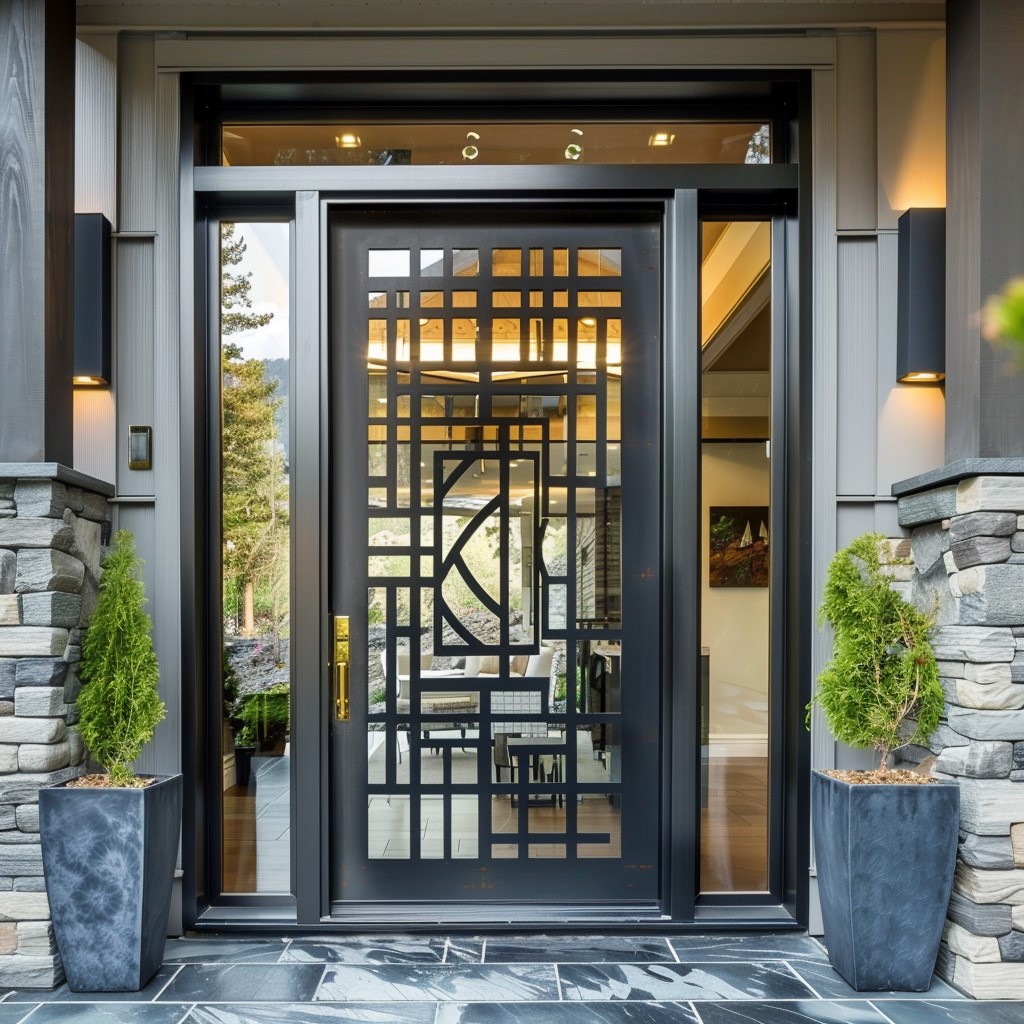
Doors have evolved far beyond simple entry and exit points. In contemporary homes, offices, hotels, and commercial buildings, they can combine architectural design, security, convenience, space management, insulation, and technology in one coordinated solution. Today’s door systems are increasingly specified as complete assemblies that include the door, frame, hardware, glazing, locking mechanisms, and sometimes automation or access-control technology.
Understanding the available options makes it easier to choose a door that looks right while also meeting the practical demands of the building.
Table of Contents
ToggleWhat Are Modern Door Systems?
Modern door systems are complete door assemblies designed to provide both visual appeal and functional performance. Rather than considering only the door panel, homeowners and designers can evaluate the frame, hinges, handles, locks, glass, thresholds, seals, and operating mechanism as parts of one system.
This approach is particularly important for contemporary architecture, where slim frames, large glazed areas, flush surfaces, concealed hardware, and coordinated finishes are often used to create a clean appearance.
A well-designed system can improve the way a space looks while also supporting security, privacy, durability, accessibility, and energy performance.
Popular Types of Modern Door Systems
There is no single style that defines modern doors. Different operating methods are suitable for different spaces and requirements.
Hinged Door Systems
Hinged doors remain one of the most practical choices for bedrooms, bathrooms, offices, entrances, and other rooms. Contemporary versions often feature flat panels, minimal trim, concealed hinges, streamlined handles, and simple finishes.
They are relatively straightforward to operate and maintain, making them a dependable choice when space is available for the door swing.
Sliding Door Systems
Sliding doors move horizontally along a track, making them useful where a traditional swinging door would consume valuable floor space. They are particularly popular for larger openings, wardrobes, patios, room dividers, and contemporary interiors.
Glass sliding systems can also increase daylight and create a stronger visual connection between indoor and outdoor areas.
Pocket Door Systems
Pocket doors slide into a concealed wall cavity when opened. This makes them particularly useful in compact rooms where every square metre matters.
They can also contribute to a minimalist appearance because the door disappears from view when fully open. However, the wall needs to accommodate the pocket mechanism, wiring and other services must be planned carefully, and installation quality is important.
Pivot Door Systems
Pivot doors rotate around specially positioned pivot hardware rather than conventional side-mounted hinges. Their ability to accommodate large door leaves makes them popular in striking contemporary entrances.
Because large pivot doors can be heavy, the frame, hardware, structural support, and installation method need to be properly specified.
Bi-Fold Door Systems
Bi-fold doors consist of connected panels that fold as they open. They can be useful for closets, room dividers, kitchens, and wide openings.
Their major advantage is that they can provide a large opening without requiring the full swing area of a conventional hinged door.
Materials Used in Modern Doors
Material selection has a major influence on appearance, maintenance, durability, cost, and performance.
Wood and Engineered Wood
Wood offers warmth and natural character. Engineered wood can provide a more dimensionally stable construction while still delivering the appearance of timber.
For modern interiors, wood doors can be combined with flush surfaces, simple grooves, concealed hardware, or contemporary stains and paints.
Aluminum
Aluminum is widely associated with slim contemporary frames and large glazed openings. Its strength-to-weight characteristics make it suitable for designs where narrow profiles and generous glass areas are priorities.
For exterior applications, thermal performance and the use of appropriate thermally improved construction should be considered.
Steel
Steel can provide a strong, architectural appearance and is often selected when durability and security are important. Steel-framed glazed doors can also create distinctive industrial or minimalist interiors.
Exterior steel applications should be evaluated for corrosion protection, weight, finish, and thermal performance.
Glass
Glass can make a doorway feel lighter and help bring natural light deeper into a building. Clear, frosted, tinted, laminated, and patterned glass can provide different levels of privacy and visual connection.
When glass is used in a door system, safety requirements, glazing type, frame construction, and hardware should all be considered together.
The Role of Smart Technology
One of the biggest developments in modern doors is the integration of digital technology. Smart locks can provide keyless entry through methods such as codes, smartphones, or biometric identification, depending on the system.
Some advanced entrance systems can also connect with wider building-management or security systems. Automatic doors may incorporate sensors, access control, monitoring, and data connectivity, allowing entrances to become part of a larger smart-building environment.
However, technology should be selected according to genuine needs rather than added simply because it is fashionable. A reliable mechanical lock may be sufficient for some interior applications, while a commercial entrance may require sophisticated access control.
Why Door Frames Matter
A high-quality door can perform poorly if its frame is unsuitable or incorrectly installed. The frame affects alignment, stability, sealing, hardware operation, and the overall appearance of the installation.
Modern designs often use narrow or concealed frames to create a cleaner visual effect. When selecting a system, the wall construction, opening dimensions, door weight, hardware requirements, and installation tolerances should be considered before ordering.
Security and Privacy Considerations
A modern appearance should never come at the expense of security. Exterior doors should have appropriate locking hardware, strong frames, suitable hinges, and properly specified glazing where applicable.
Interior doors require a different balance. Bedrooms and offices may benefit from stronger privacy and acoustic performance, while utility areas may prioritize simple access and durability.
For smart systems, digital security should also be considered. Access credentials, software updates, network security, and backup entry methods can all affect the reliability of an electronically controlled door.
Energy Efficiency and Comfort
Exterior doors form part of a building’s thermal envelope, so their construction can influence comfort and energy use. Frame design, glazing, weather seals, thresholds, and the quality of installation all contribute to overall performance.
A visually impressive door with poor sealing may allow unwanted air leakage or moisture intrusion. For exterior projects, it is therefore better to evaluate the complete assembly rather than choosing a door based solely on its appearance.
How to Choose the Right Modern Door System
Start by identifying where the door will be installed and how it will be used. A bedroom, bathroom, main entrance, office, patio, and commercial entrance can have very different requirements.
Next, consider the available space. Sliding, pocket, and bi-fold systems can help when swing space is limited, while hinged and pivot doors may be better suited to larger or more traditional openings.
Material, glazing, security, acoustic requirements, maintenance, budget, and design should then be evaluated together. For a successful project, measurements and technical requirements should be finalized before manufacturing begins.
Common Mistakes to Avoid
One common mistake is choosing a door based only on its appearance. A beautiful design may not provide the required security, privacy, durability, or insulation.
Another mistake is overlooking hardware. Handles, hinges, locks, closers, tracks, and other components can significantly influence how a door feels and performs.
It is also important not to ignore installation. Even a high-quality system can develop alignment, sealing, or operating problems when it is incorrectly fitted.
The Future of Door Design
The future of door design is likely to combine minimalist architecture with greater functionality. Smart access, automation, connected building systems, energy-conscious materials, and increasingly customized configurations are already influencing how entrances are designed.
At the same time, traditional materials such as timber remain relevant because homeowners continue to value warmth and natural character. The result is not a single universal style but a wider range of solutions designed around individual buildings and users.
Final Thoughts
Modern door systems bring together design, engineering, security, convenience, and performance. From sleek flush interior doors and space-saving pocket systems to large sliding entrances and connected smart doors, there are options for almost every architectural requirement.
The best choice is not necessarily the most expensive or technologically advanced option. It is the system that fits the opening, suits the building, provides the required performance, and complements the overall design. By considering the door, frame, hardware, glazing, operation, and installation as one complete system, homeowners and professionals can achieve an entrance that remains practical and attractive for years to come.
