


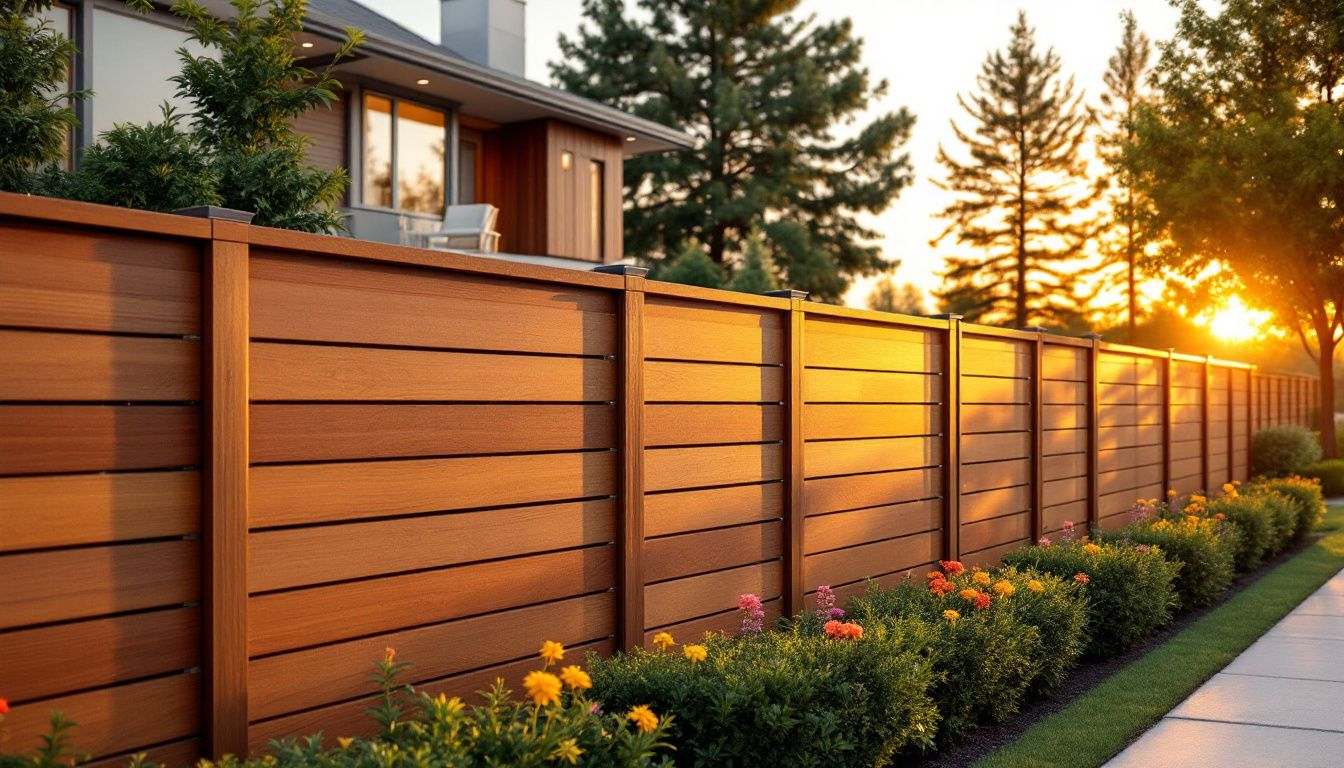
When it comes to choosing the right boundary for your home, wood fences remain one of the most popular options among homeowners. They offer a classic look, flexibility in design, and a natural feel that blends well with almost any landscape. But like any material, wood fencing comes with its own set of advantages and drawbacks. Understanding both sides will help you make a smarter, long-term decision for your property.
Why Homeowners Choose Wood Fencing
Wood fencing has been a go-to choice for decades, and for good reason. It combines practicality with visual appeal in a way few other materials can match.
Natural Aesthetic Appeal
One of the biggest reasons people choose wood is its timeless look. Whether you prefer a rustic charm or a clean, modern style, wood can be cut, shaped, and stained to match your vision. It blends effortlessly with gardens, lawns, and outdoor living spaces.
Versatile Design Options
Wood fences come in a wide variety of styles, including:
- Picket fences for a traditional look
- Privacy fences for seclusion
- Split rail fences for a more open, countryside feel
This flexibility makes it easy to customize your fence based on your needs and the overall design of your home.
Cost-Effective Initial Investment
Compared to materials like vinyl or metal, wood fencing is generally more affordable upfront. This makes it a practical option for homeowners working within a budget while still wanting a functional and attractive fence.
Easy to Install and Repair
Wood is relatively easy to work with, which simplifies installation. Repairs are also straightforward—damaged boards can often be replaced individually without needing to rebuild the entire fence.
Environmentally Friendly Option
Since wood is a natural and biodegradable material, it’s often considered a more eco-friendly choice compared to synthetic alternatives. Many homeowners appreciate this aspect when making sustainable decisions.
The Downsides of Wood Fencing
While wood fences offer plenty of benefits, they do require more attention and care compared to other fencing materials.
Regular Maintenance Required
Wood fences need ongoing maintenance to keep them in good condition. This includes:
- Staining or painting every few years
- Sealing to protect against moisture
- Inspecting for damage
Without proper upkeep, the fence can quickly lose its appearance and durability.
Susceptible to Weather Damage
Exposure to sun, rain, and humidity can take a toll on wood. Over time, it may:
- Warp or crack
- Fade in color
- Rot if not treated properly
This is especially important in areas with heavy rainfall or intense heat.
Vulnerable to Pests
Termites and other insects can damage wood fences if they are not properly treated. This can weaken the structure and lead to costly repairs.
Shorter Lifespan Compared to Alternatives
While a well-maintained wood fence can last many years, it typically doesn’t last as long as materials like vinyl or aluminum. Longevity largely depends on maintenance and environmental conditions.
Potential for Higher Long-Term Costs
Although the initial cost is lower, the ongoing expenses for maintenance, repairs, and treatments can add up over time. In some cases, this may outweigh the initial savings.
Is Wood Fencing the Right Choice for You?
Choosing wood fencing depends on your priorities as a homeowner. If you value natural beauty, customization, and affordability upfront, wood is a strong option. However, if you prefer a low-maintenance solution that lasts longer with minimal effort, you might want to explore other materials.
Wood fences work especially well for:
- Homeowners who enjoy DIY maintenance
- Properties where aesthetics are a top priority
- Those looking for a budget-friendly initial solution
Tips to Get the Most Out of Your Wood Fence
If you decide to go with wood, a few smart steps can help extend its lifespan and maintain its appearance:
- Use pressure-treated wood to resist moisture and pests
- Apply a protective sealant or stain regularly
- Keep the fence clean and free from debris
- Inspect annually for signs of damage or wear
Final Thoughts
Wood fencing continues to be a favorite choice for residential properties because of its natural look and design flexibility. However, it’s important to weigh the maintenance requirements and long-term costs before making a decision. By understanding the pros and cons, you can choose a fencing solution that fits both your lifestyle and your budget.
If you’re willing to invest a little time in upkeep, wood fences can provide a beautiful and functional boundary that enhances your home for years to come.
