


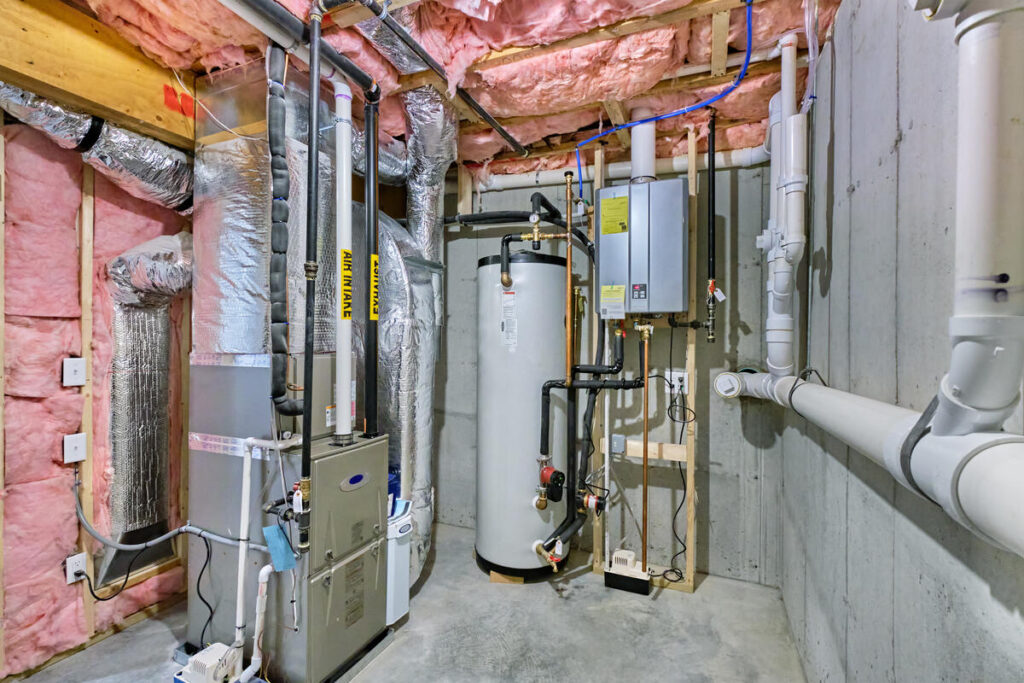
An aging furnace does not necessarily need immediate replacement. However, repeated repairs, declining performance, unusual noises, and increasing energy consumption can indicate that important components are reaching the end of their useful service life. Regular inspections and timely furnace repair Orange County services can help homeowners address problems before they affect comfort or safety.
Why Furnace Problems Increase With Age
Furnaces contain numerous mechanical, electrical, and combustion-related components. Over years of repeated heating cycles, these parts experience heat, vibration, dust accumulation, electrical stress, and general wear.
Older equipment may therefore require more attention than a relatively new system. Ignition components, flame sensors, blower motors, control boards, switches, and other parts can eventually malfunction. Manufacturers and HVAC professionals commonly identify ignition failures, airflow restrictions, blower problems, and heat-exchanger issues among the problems that can require professional furnace service.
Worn Ignition Components Can Cause Starting Problems
The ignition system is responsible for initiating the heating process. Depending on the furnace design, an older unit may use a standing pilot system, electronic ignition, or another ignition arrangement.
With age, igniters can become damaged or fail to operate correctly. Flame sensors can also accumulate oxidation or contamination, causing the furnace to ignite and then shut down shortly afterward. Repeated clicking, unsuccessful startup attempts, or a furnace that turns on briefly before stopping can indicate an ignition-related problem.
These problems should generally be evaluated by a qualified technician because furnace ignition involves combustion and safety controls.
Blower Motor Wear Can Reduce Airflow
The blower motor plays an important role in moving heated air through the home’s ductwork. After years of operation, bearings, electrical components, capacitors, or other blower-related parts can develop problems.
A worn blower may produce unusual humming, squealing, grinding, or rattling sounds. Homeowners may also notice weaker airflow from vents or rooms that no longer heat evenly. Restricted airflow from dirty filters can make the furnace work harder and place additional stress on the blower and heat exchanger.
If airflow remains weak after replacing an appropriately sized filter and checking that registers are unobstructed, professional diagnosis may be necessary.
Aging Heat Exchangers Require Special Attention
The heat exchanger is one of the most important components in a gas furnace because it separates combustion gases from the air being circulated through the home.
Years of heating cycles can contribute to corrosion, metal fatigue, or other forms of deterioration. A damaged heat exchanger can create a serious safety concern because combustion gases, including carbon monoxide, may enter the indoor air under certain failure conditions.
Signs such as soot, unusual combustion behavior, or a carbon monoxide alarm should never be ignored. If a carbon monoxide alarm activates, occupants should leave the home and follow appropriate emergency and gas-service procedures rather than continuing to operate the furnace.
Electrical Components Can Become Less Reliable
Older furnaces also contain electrical components that can deteriorate over time. Wiring connections, sensors, capacitors, relays, transformers, and control boards may develop faults or become less reliable after years of operation.
Electrical problems can be difficult to identify because they may appear intermittently. A furnace might work normally one day and fail to start the next. Repeated shutdowns, unexplained error codes, or inconsistent operation are reasons to have the system professionally diagnosed instead of repeatedly resetting it.
Dirty Filters Can Make Aging Problems Worse
A dirty filter is not exclusively an old-furnace problem, but an aging furnace may be less tolerant of restricted airflow. When airflow is reduced, the system can experience additional strain and may overheat, causing safety controls to shut the furnace down.
Homeowners should follow the filter manufacturer’s and furnace manufacturer’s recommendations for inspection and replacement. Keeping the return-air path and supply registers unobstructed can also help maintain appropriate airflow.
Short Cycling May Become More Frequent
Short cycling occurs when a furnace starts and stops more frequently than it should rather than completing normal heating cycles.
Several conditions can contribute to this behavior, including restricted airflow, overheating, thermostat problems, or malfunctioning safety controls. In an aging system, worn components can make recurring short cycling more likely.
Ignoring the problem can place additional stress on ignition components, motors, and electrical controls. A technician should determine the underlying cause instead of simply treating the repeated shutdown as a normal characteristic of an older furnace.
Higher Energy Use Can Signal Declining Performance
An aging furnace may continue producing heat while becoming less efficient than it was when new. Worn components, airflow restrictions, combustion problems, or poorly maintained parts can cause the system to work harder to provide the same level of comfort.
Homeowners should not automatically assume that an increase in heating costs is caused by furnace age alone. Changes in thermostat settings, weather, insulation, ductwork, electricity or gas rates, and other household conditions can also affect energy consumption.
However, rising energy use combined with frequent repairs or declining heating performance deserves professional attention.
Strange Noises Should Not Be Ignored
Furnaces normally produce some operating sounds, but new or increasingly loud noises can indicate mechanical problems.
Rattling may point to loose components, while squealing or grinding can be associated with blower-related problems. Repeated clicking may indicate an ignition issue. The specific cause cannot always be determined from sound alone, so unusual noises should be investigated before a small problem develops into a larger failure.
Why Regular Maintenance Matters More as a Furnace Ages
Routine maintenance becomes increasingly valuable as equipment accumulates operating hours. A professional inspection can include checking ignition components, burners, electrical connections, airflow, the heat exchanger, combustion-related components, and other system controls. Maintenance guidance for furnaces commonly emphasizes filter care, burner inspection, heat-exchanger inspection, and checking relevant electrical and combustion components.
Maintenance cannot prevent every failure, but it can help identify worn or deteriorating components earlier. This gives homeowners more time to decide whether a repair makes sense or whether replacement should be considered.
Repair or Replace an Aging Furnace?
The decision between repairing and replacing an older furnace depends on several factors rather than age alone. Homeowners should consider the type and severity of the failure, repair history, system condition, expected remaining service life, efficiency, availability of replacement parts, and the cost of the proposed repair.
A relatively inexpensive repair may make sense when the furnace is otherwise reliable. On the other hand, repeated breakdowns or a major safety-related component failure may justify comparing continued repair costs with replacement options. Carrier similarly recommends considering replacement when an older furnace requires frequent repairs, particularly when facing major component failures.
Warning Signs Orange County Homeowners Should Watch For
Several symptoms can indicate that an older furnace needs professional attention:
- Frequent heating breakdowns
- Increasing repair frequency
- Weak airflow from vents
- Unusual grinding, rattling, or squealing sounds
- Repeated ignition failures
- Furnace short cycling
- Unexpected increases in energy consumption
- Uneven heating between rooms
- Persistent error codes
- Burning or unusual odors
- Problems with the blower motor
- Visible corrosion or other signs of deterioration
One symptom alone does not necessarily mean a furnace needs replacement. A professional diagnosis can help determine whether the issue is a relatively minor repair or evidence of broader system deterioration.
How Orange County Homeowners Can Reduce Unnecessary Repairs
Homeowners can take several simple steps to support furnace performance. Replace or clean filters according to the manufacturer’s recommendations, keep supply and return vents unobstructed, avoid storing combustible materials around the furnace, and pay attention to unusual changes in operation.
Carbon monoxide detectors are particularly important in homes using fuel-burning heating equipment. They should be tested and maintained according to the manufacturer’s instructions.
When a problem occurs, addressing it early is generally preferable to repeatedly restarting a malfunctioning furnace. Professional furnace repair Orange County service can help identify the source of a problem and determine whether repairing the existing equipment is appropriate.
Final Thoughts
An aging furnace can require more repairs because its mechanical, electrical, ignition, airflow, and combustion components accumulate wear over many years. Problems that begin as small performance issues can sometimes develop into larger failures when they are ignored.
Regular maintenance, proper filter care, attention to warning signs, and professional diagnosis can help Orange County homeowners make informed decisions about an older heating system. When repair needs become increasingly frequent, comparing the cost and reliability of continued repairs with replacement options can also help determine the most practical long-term approach
