


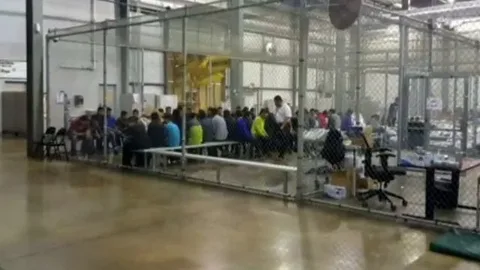
When an individual is detained by U.S. Immigration and Customs Enforcement (ICE), the immigration case continues to move forward through the legal system. However, being held in detention can make it more difficult for detainees to gather evidence and prepare the documentation needed to support their case.
Understanding how detention affects access to evidence helps explain why legal preparation in immigration detention cases often requires coordination between detainees, attorneys, and family members.
Why Evidence Matters in Immigration Cases
Immigration court decisions often depend heavily on documentation and supporting evidence. Individuals may need to present records that explain their immigration history, personal circumstances, or eligibility for certain forms of relief.
Evidence commonly used in immigration proceedings may include:
- Identification documents such as passports or birth certificates
- Immigration records or prior applications
- Proof of residence in the United States
- Documentation related to family relationships
- Evidence supporting asylum or humanitarian claims
Without these materials, it may be difficult to fully present a legal defense during immigration proceedings.
Challenges Detained Individuals Face
For detainees, collecting evidence can be more complicated than it is for individuals who are not in custody. Because detainees are separated from their homes and personal records, they often rely on others to obtain important documents.
Some common challenges include:
- Limited ability to retrieve personal records
- Difficulty contacting individuals who may provide supporting documents
- Delays in receiving mailed documents from family members
- Restricted access to communication tools
These obstacles can make the process of building a legal case more time-consuming.
The Role of Family Members and Support Networks
Family members often play an essential role in helping detainees gather evidence. Loved ones may help locate documents, contact organizations, or obtain official records needed for the case.
Family members may assist by:
- Requesting copies of birth or marriage certificates
- Gathering employment or school records
- Collecting letters of support from community members
- Locating immigration paperwork stored at home
These efforts help attorneys build a clearer picture of the detainee’s circumstances.
How Attorneys Help Organize Evidence
Immigration attorneys coordinate the process of collecting and organizing evidence so that it can be presented effectively in court. Lawyers review documents, identify additional materials that may strengthen the case, and prepare legal arguments based on the evidence provided.
Attorneys may also communicate with detention facilities, immigration courts, and government agencies to ensure that the necessary documentation is submitted according to court procedures.
This coordination helps ensure that the detainee’s case is properly prepared despite the challenges of detention.
When Detention Raises Additional Legal Questions
In some situations, individuals remain detained for long periods while their immigration case continues. If detention becomes prolonged, attorneys may examine whether the custody itself raises legal concerns.
One legal option available in such cases is filing a habeas corpus petition in federal court. This legal action asks a judge to determine whether the government has lawful authority to continue detaining the individual.
During this review, courts may consider factors such as:
- The total length of detention
- The progress of immigration proceedings
- Whether deportation is realistically possible
- Whether constitutional protections are being respected
Because these cases involve complex legal procedures, detainees often seek guidance from an experienced Immigration Habeas Lawyer who can evaluate the situation and determine whether federal court review may be appropriate.
Preparing a Case While in Detention
Although detention can make gathering evidence more difficult, detainees still have the opportunity to present documentation and arguments in immigration court. With the assistance of attorneys and family members, many detainees are able to collect the evidence needed to support their case.
Understanding how detention affects access to evidence helps detainees and families stay organized and prepared throughout the immigration legal process.
