


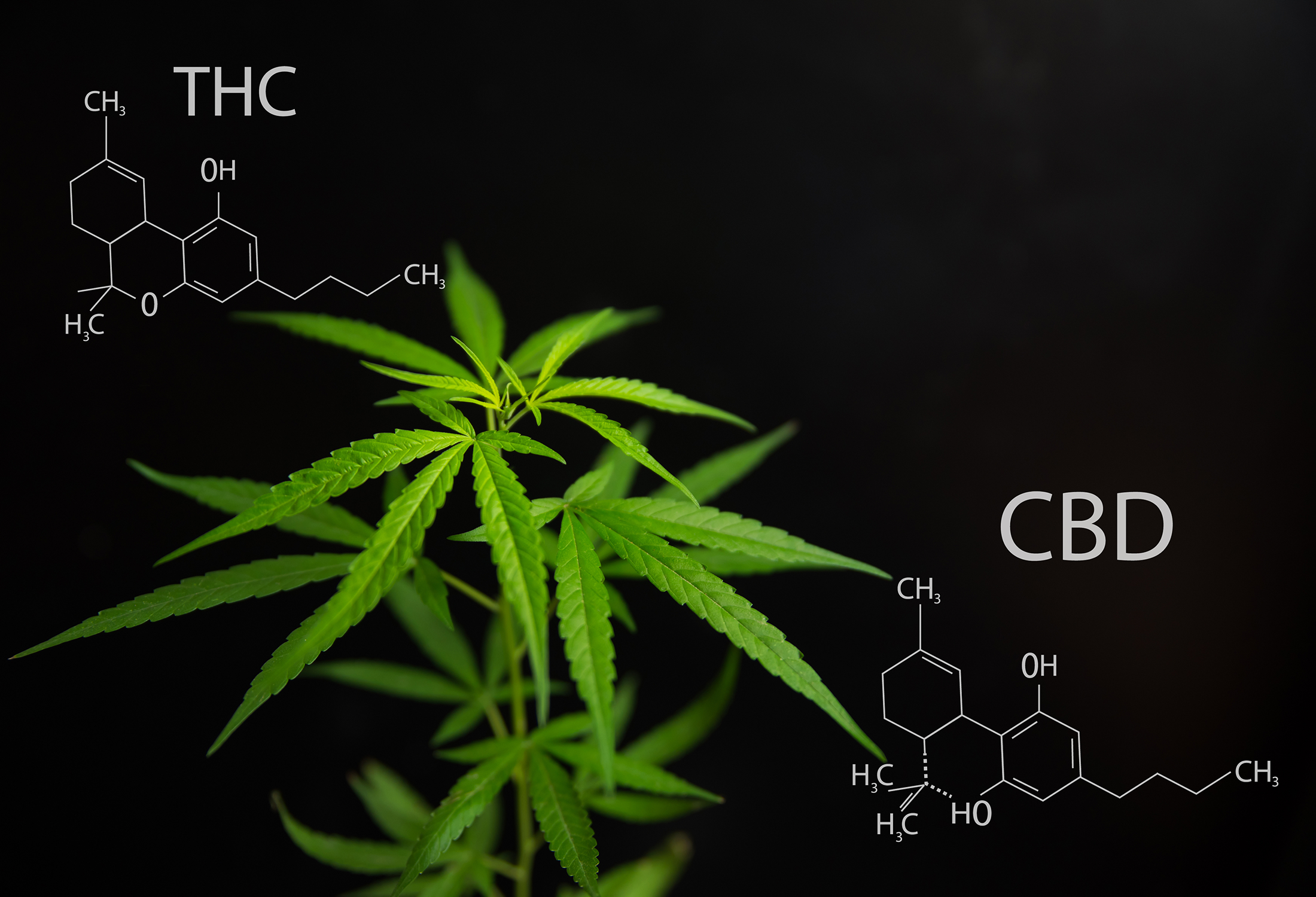
Cannabis is one of the most widely studied plants in modern science because of its two most famous compounds: THC and CBD. These molecules interact with the human body in very different ways, shaping everything from perception and mood to potential therapeutic effects. Understanding how they work helps separate scientific facts from common myths.
What Are THC and CBD?
Cannabis contains over a hundred chemical compounds called cannabinoids, but two stand out:
THC (Tetrahydrocannabinol)
THC is the primary psychoactive compound in cannabis. It is responsible for the “high” sensation. It works by binding to receptors in the brain’s endocannabinoid system, especially those linked to pleasure, memory, and coordination.
When THC activates these receptors, it can alter perception, mood, and time awareness.
CBD (Cannabidiol)
CBD does not produce a high. Instead, it interacts more indirectly with the endocannabinoid system. Researchers believe it may help regulate processes like inflammation, stress response, and sleep cycles.
Unlike THC, CBD is generally associated with calming or balancing effects rather than intoxication.
The Endocannabinoid System: The Body’s Internal Balance Network
To understand THC and CBD, we need to understand the endocannabinoid system (ECS). This is a biological system found in all humans and many animals.
The ECS helps regulate:
- Mood
- Appetite
- Sleep
- Pain sensation
- Immune response
Cannabinoids from cannabis mimic or influence natural chemicals in this system, which is why they have such noticeable effects on the body and mind.
How THC Affects the Brain
THC primarily binds to CB1 receptors in the brain. This interaction can lead to:
- Euphoria or relaxation
- Altered sensory perception
- Increased appetite (“munchies”)
- Reduced short-term memory function
However, the effects depend on dosage, individual biology, and method of consumption.
How CBD Works Differently
CBD does not strongly bind to CB1 or CB2 receptors. Instead, it appears to:
- Influence serotonin receptors (linked to mood regulation)
- Reduce the breakdown of the body’s own endocannabinoids
- Modulate inflammatory and pain pathways
This is why CBD is often studied for potential use in anxiety, epilepsy, and chronic pain management.
THC vs CBD: Key Differences
- Psychoactivity: THC is intoxicating; CBD is not
- Mental effects: THC alters perception; CBD promotes calm without intoxication
- Medical research: Both are studied for therapeutic potential but in different ways
- Legal status: Varies widely by country and region
The “Entourage Effect”
Some researchers believe cannabis compounds work better together than in isolation. This idea is called the entourage effect.
It suggests that THC, CBD, and other cannabinoids may interact synergistically, potentially enhancing therapeutic benefits or balancing side effects.
A Note on Legality and Public Searches
Cannabis laws differ significantly around the world. In some regions, both THC and cannabis cultivation are legal under regulation; in others, they remain strictly controlled or illegal.
People often search phrases like “where can i buy weed plants” when trying to understand availability or cultivation options. However, the legality of purchasing or growing cannabis plants depends entirely on local laws and regulations. In many places, buying or growing cannabis without authorization is illegal, and information about sourcing it is restricted.
For that reason, it’s important to rely on official, local legal guidelines rather than informal sources when it comes to cannabis cultivation or purchase.
Medical and Scientific Research Outlook
Research into THC and CBD is expanding rapidly. Scientists are particularly interested in:
- Pain management alternatives
- Epilepsy treatments (notably CBD-based medications)
- Mental health applications
- Sleep disorder therapies
- Anti-inflammatory effects
While promising, many findings are still under clinical investigation.
Conclusion
THC and CBD represent two very different sides of the same plant. One alters perception and produces a high, while the other interacts more subtly with the body’s regulatory systems. As science continues to study cannabis, our understanding of its potential benefits and risks continues to evolve.
What remains clear is that cannabis is not a simple substance—it is a complex biological system with effects that depend heavily on chemistry, dosage, and context.
