


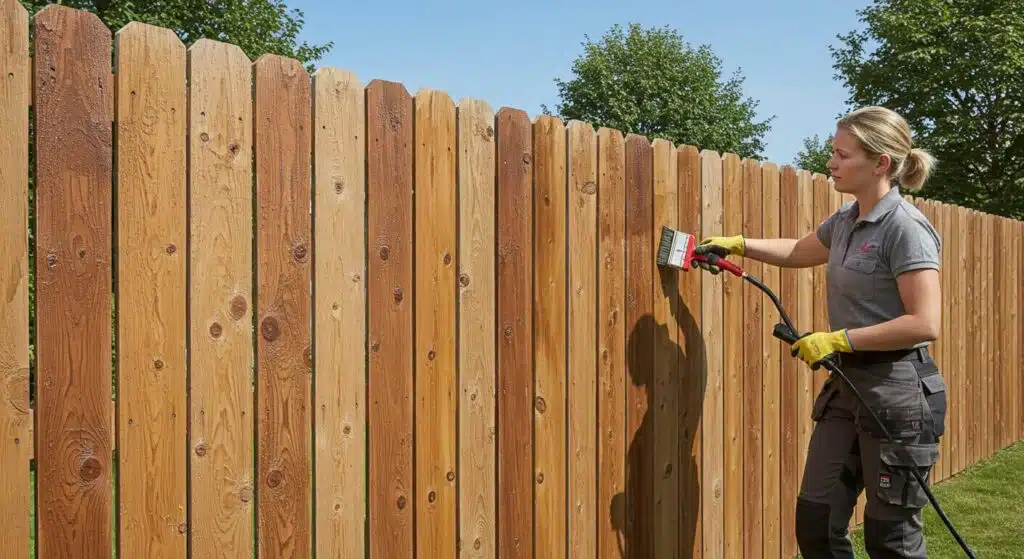
A well-built wood fence adds privacy, security, and timeless curb appeal to any property. However, unlike vinyl or aluminum fencing, wood requires regular care to maintain its strength and appearance. Whether you’ve recently worked with a wood fence company or have had your fence for years, proper maintenance can significantly extend its lifespan and help you avoid costly repairs.
Industry professionals agree that routine inspections, cleaning, sealing, and timely repairs are the keys to preserving a wood fence. In this guide, we’ll share expert-recommended wood fence maintenance tips that will keep your fence looking great and performing well for years to come.
Why Wood Fence Maintenance Matters
Wood is a natural material that expands, contracts, and absorbs moisture as weather conditions change. Without proper care, exposure to rain, sunlight, insects, and temperature fluctuations can lead to:
- Rot and decay
- Warping or twisting
- Cracked or split boards
- Mold, mildew, and algae growth
- Loose posts and fasteners
- Premature aging
Routine maintenance not only preserves your fence’s appearance but also protects your investment by extending its service life.
Inspect Your Fence at Least Twice a Year
Professional fence installers recommend performing a thorough inspection every spring and fall.
During your inspection, look for:
- Loose or leaning fence posts
- Cracked or split pickets
- Rusty nails or screws
- Signs of insect damage
- Water stains or discoloration
- Rot near the bottom of the fence
- Loose gates or sagging hinges
Finding problems early makes repairs easier and less expensive.
Keep Your Fence Clean
Dirt, mold, mildew, and pollen can trap moisture against the wood, increasing the risk of decay.
How to Clean a Wood Fence
- Remove loose debris using a broom or soft brush.
- Wash the fence with water and a mild detergent.
- Use a soft-bristle brush to remove stubborn dirt.
- Rinse thoroughly with a garden hose.
For fences with mold or mildew, use a wood-safe cleaner designed for outdoor surfaces.
Avoid using excessive pressure when power washing, as it can damage the wood fibers.
Apply a Protective Sealant
One of the most effective ways to protect a wood fence is by applying a quality sealant.
A sealant helps:
- Repel moisture
- Prevent cracking
- Reduce UV damage
- Slow fading
- Minimize warping
Industry experts recommend resealing most wood fences every 2 to 3 years, depending on your local climate.
Stain or Paint Your Fence
While sealants provide moisture protection, stains and paints add an extra layer of defense.
Benefits of Staining
- Enhances natural wood grain
- Provides UV protection
- Helps repel water
- Requires less maintenance than paint
Benefits of Painting
- Offers a wider range of colors
- Creates a protective barrier
- Covers imperfections
If you choose paint, inspect it regularly for peeling or cracking so moisture cannot penetrate the wood.
Prevent Water Damage
Water is one of the biggest threats to a wood fence.
To minimize moisture problems:
- Keep sprinklers from constantly soaking the fence.
- Ensure proper drainage around fence posts.
- Remove leaves and debris that collect along the base.
- Avoid allowing soil to build up against the fence.
Maintaining airflow around the fence also helps the wood dry more quickly after rain.
Trim Nearby Plants
Trees, shrubs, and vines may look attractive around a fence, but they can create moisture problems.
Overgrown vegetation can:
- Trap humidity
- Scratch the wood
- Encourage mold growth
- Attract insects
- Add unnecessary weight
Leave several inches of space between landscaping and your fence to improve air circulation.
Watch for Insect Damage
Wood fences can attract termites, carpenter ants, and other wood-damaging insects.
Signs include:
- Tiny holes in the wood
- Sawdust-like material
- Hollow-sounding boards
- Visible insect activity
If you notice signs of infestation, address the issue immediately before structural damage spreads.
Repair Small Problems Quickly
Minor issues often become major repairs when ignored.
Replace damaged boards if you notice:
- Large cracks
- Splitting
- Severe warping
- Rotting wood
Tighten loose hardware, replace rusted fasteners, and reinforce weak posts as needed.
Prompt maintenance helps preserve the overall structure of the fence.
Protect Fence Posts
Fence posts provide the structural support for your entire fence.
Pay close attention to posts because they experience the greatest exposure to moisture.
To protect them:
- Ensure concrete footings remain intact.
- Check for movement after heavy storms.
- Replace deteriorated posts promptly.
- Avoid allowing standing water to collect around the base.
Strong posts help prevent leaning sections and costly replacements.
Be Careful When Using Pressure Washers
Pressure washing can restore the appearance of weathered wood, but improper use may damage the surface.
Experts recommend:
- Using low pressure
- Keeping the nozzle moving
- Spraying with the grain
- Testing a small section first
When in doubt, manual cleaning is often safer for older fences.
Address Weather Damage Promptly
Extreme weather can shorten the lifespan of a wood fence.
After severe storms, inspect for:
- Fallen branches
- Loose panels
- Leaning posts
- Broken pickets
- Wind damage
Making repairs soon after storms helps prevent additional deterioration.
Choose the Right Wood for Long-Term Durability
Some wood species naturally last longer than others.
Popular choices include:
| Wood Type | Benefits |
| Cedar | Naturally resistant to insects and rot |
| Redwood | Excellent durability and appearance |
| Pressure-Treated Pine | Affordable and treated against decay |
| Cypress | Naturally resistant to moisture and insects |
Selecting quality materials from the beginning reduces future maintenance needs.
Create a Seasonal Maintenance Schedule
Following a routine schedule makes maintenance much easier.
Spring
- Inspect for winter damage
- Clean the fence
- Tighten hardware
- Repair loose boards
Summer
- Apply stain or sealant
- Trim surrounding plants
- Check for UV damage
Fall
- Remove leaves and debris
- Inspect drainage
- Repair damaged sections
Winter
- Remove heavy snow buildup if necessary
- Check for leaning posts after freezing temperatures
Common Wood Fence Maintenance Mistakes
Avoid these common errors:
- Waiting too long to repair damage
- Skipping regular inspections
- Allowing plants to grow against the fence
- Neglecting sealant applications
- Using harsh chemicals that damage wood
- Ignoring drainage problems
- Pressure washing with excessive force
Avoiding these mistakes can add years to the life of your fence.
Frequently Asked Questions
How often should I seal a wood fence?
Most experts recommend applying a sealant every two to three years, although fences in areas with heavy rain or intense sunlight may require more frequent treatment.
How long does a wood fence typically last?
A properly maintained wood fence can last 15 to 25 years or longer, depending on the wood species, climate, and maintenance routine.
Can I pressure wash my wood fence every year?
Yes, but use low pressure and avoid damaging the wood fibers. Gentle cleaning methods are often sufficient for routine maintenance.
What is the best season for staining a wood fence?
Late spring through early fall is generally ideal, provided the wood is dry and temperatures are moderate.
Should damaged boards be repaired or replaced?
Minor cracks may be repairable, but boards with significant rot, warping, or structural damage should be replaced to maintain the fence’s integrity.
Keep Your Wood Fence Looking Its Best
Regular maintenance is the best way to protect your wood fence from weather, moisture, insects, and everyday wear. Simple tasks like cleaning, sealing, inspecting, and making timely repairs can significantly extend the life of your fence while preserving its beauty and functionality.
Whether you’re installing a new fence or maintaining an existing one, working with experienced professionals can make all the difference. Superfenceco provides expert fencing solutions along with guidance on proper fence care, helping homeowners get lasting performance and value from their investment.
